What Does a Professional Roof Inspection Actually Include?
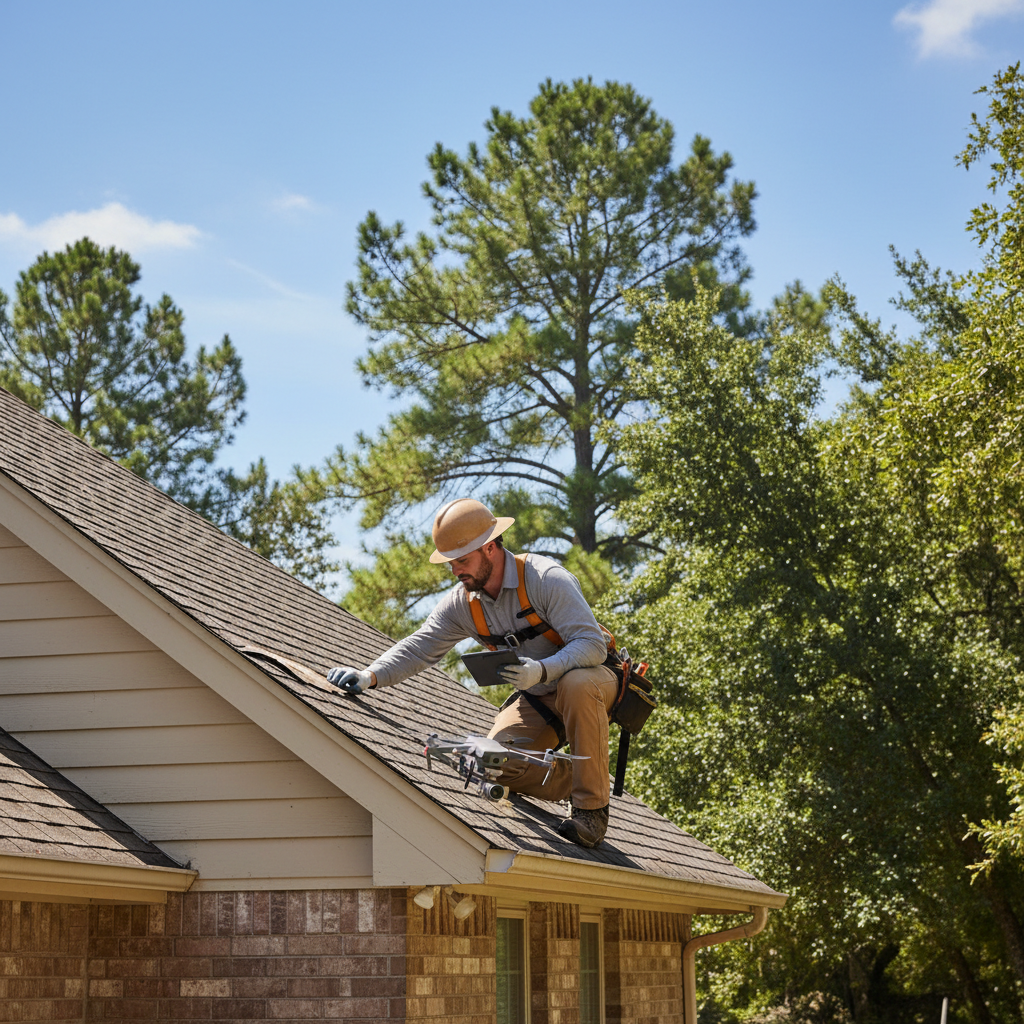
If you've never scheduled a professional roof inspection, you might picture someone glancing at your shingles from the driveway and calling it a day. The reality is much more thorough — and much more useful.
Understanding what's actually included in a professional inspection helps you get more out of the process, ask better questions, and make smarter decisions about your home.
Why a Professional Inspection Is Different From a Quick Look
A trained inspector follows a structured process. They're not just checking whether your roof looks okay from the street — they're methodically evaluating every component that keeps water out of your home.
That's an important distinction. Small problems hiding under flashing or around a vent pipe won't show up in a casual visual scan. A professional catches what you can't.
If you're already noticing something feels off, check out 7 Signs Your Roof Needs a Professional Inspection Before the Next Storm to see whether it's time to book one now.
What a Professional Roof Inspector Actually Checks
While every inspection is tailored to the specific roof, here's what a qualified inspector typically evaluates:
1. Shingles and Surface Materials
The inspector examines every section of the roof surface for:
- Missing, cracked, or curling shingles — common after Texas heat cycles and hail events
- Granule loss — worn granules signal aging shingles that are losing their UV and weather protection
- Blistering or buckling — often a sign of moisture or ventilation problems beneath the surface
- Impact damage — dents or bruising from hail that isn't always visible from the ground
Texas weather puts roofs through serious stress. How Texas Hail and Storms Damage Your Roof Over Time explains why surface wear is often more advanced than homeowners realize.
2. Flashing and Seals
Flashing is the metal material that seals the joints around chimneys, vents, skylights, and roof edges. It's one of the most common sources of leaks — and one of the most overlooked.
Inspectors look for:
- Lifted, rusted, or separated flashing
- Failed caulk or sealant around penetrations
- Gaps where water can enter at roof-to-wall transitions
3. Gutters and Drainage
Proper drainage is essential to roof health. During an inspection, the inspector checks:
- Gutter attachment and slope
- Blockages that could cause water to back up under shingles
- Signs of granule buildup in gutters (an indicator of shingle wear)
- Downspout placement and flow away from the foundation
4. Soffit, Fascia, and Eaves
These areas protect the edges of your roof structure. Inspectors look for rot, pest damage, and gaps that allow moisture or animals into the attic space.
5. Attic and Ventilation (When Accessible)
A roof doesn't exist in isolation — what's happening inside your attic directly affects the roof above it. Inspectors often assess:
- Ventilation adequacy (poor airflow shortens shingle life)
- Signs of moisture, mold, or staining on sheathing
- Insulation condition and placement
- Evidence of past leaks
6. Structural Integrity
Beyond the surface, a good inspector evaluates the overall structure:
- Sagging or uneven roof planes
- Damaged or compromised decking beneath the shingles
- Signs of movement or settlement that could affect long-term performance
What You Get After the Inspection
This is where things vary — and where it matters a lot.
Traditionally, a roof inspection produces a long written report full of technical language, photos without context, and numbered lists of findings that are hard to prioritize. Many homeowners read the first page and file the rest away.
A better approach turns all of that information into something you can actually use — like a simple roof health score that shows you exactly where your roof stands on a 0–100 scale.
That's the idea behind RoofIQ. Instead of handing you a 40-page PDF, Full Armor HomeIQ translates the inspector's findings into a clear score with a plain-language summary — so you know what's urgent, what can wait, and how your roof is trending over time. What Does a Roof Health Score Actually Mean — and Why It Beats a 40-Page Inspection PDF breaks this down in more detail.
And because the score is stored securely in your HomeIQ profile, it becomes part of your home's condition history — useful when you're selling your home, refinancing, or documenting damage after a storm.
How Often Should You Get an Inspection?
For most Texas homeowners, a professional roof inspection every one to two years is a reasonable baseline — with additional inspections after major weather events. How Often Should You Really Get Your Roof Inspected? covers the full recommendation by age, material, and local climate.
East Texas homeowners in particular deal with a combination of heat, humidity, pine debris, and storm activity that accelerates wear. An annual check can catch small issues before they turn into expensive repairs that could have been avoided.
What to Do Before Your Inspector Arrives
A few simple steps help the inspection go smoothly:
- Clear attic access if you want the interior evaluated
- Note any areas of concern — stains on ceilings, drafts near the roofline, or anything you spotted after the last storm
- Check your gutters beforehand if you can do so safely — it gives the inspector useful context
- Have your home's age and roofing history handy if you know it
If you've recently been through a storm, After a Texas Hail Storm: What to Do First walks through the right steps before and after an inspection.
A Professional Inspection Is the Starting Point — Not the Whole Picture
Getting an inspection is the right move. But an inspection without a clear, lasting record is a missed opportunity. When your findings are organized into a score you can track, share, and reference year after year, you turn a one-time visit into an ongoing advantage.
Ready to know exactly where your roof stands? Get Your RoofIQ Score and connect with a vetted local inspector in Texas who will give you a clear, scored report you can actually use — and keep for years to come.
Frequently Asked Questions
Written by Full Armor HomeIQ Team
The Full Armor HomeIQ team helps homeowners understand and track their home's condition — starting with the roof.
Get Your RoofIQ Score
Contact Full Armor HomeIQ for a free inspection and consultation.
Get a Free Quote