How Often Should You Really Get Your Roof Inspected?
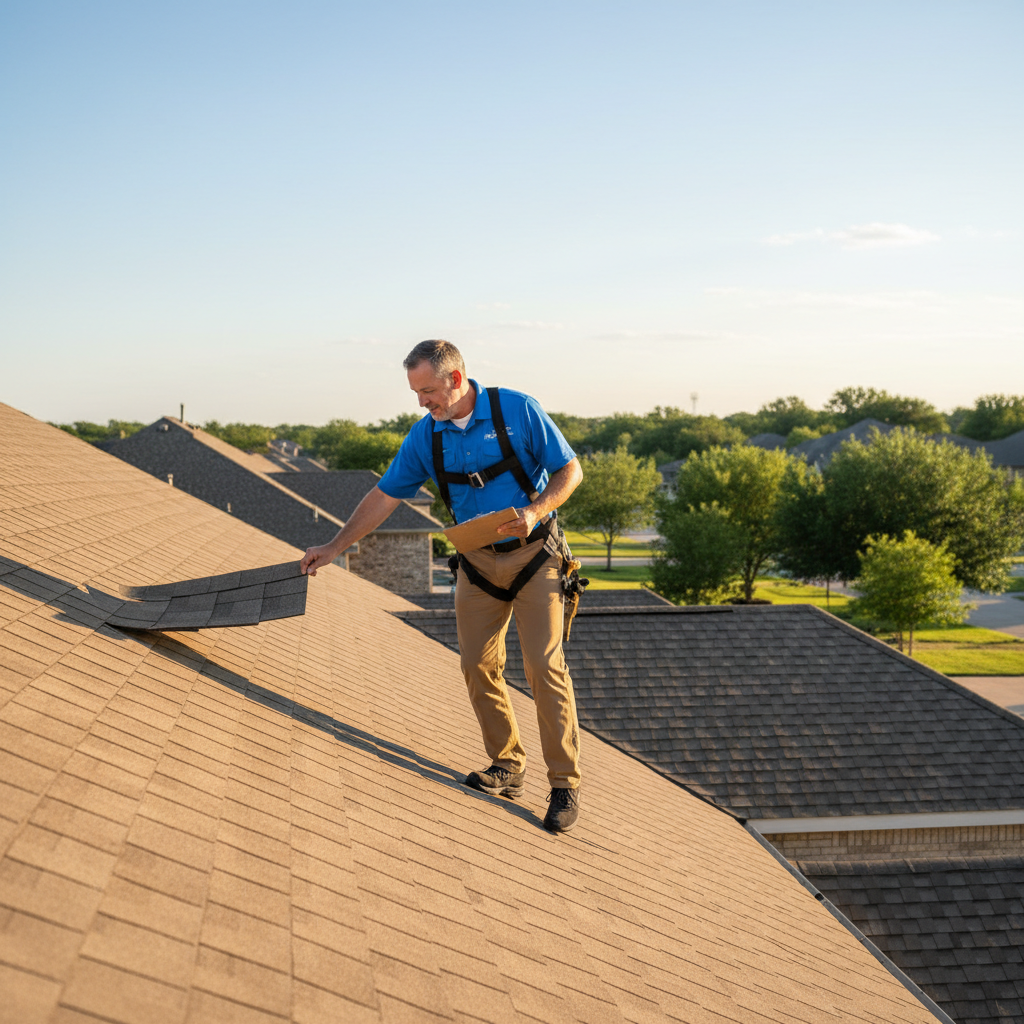
Most roofing problems don't announce themselves. A small crack, a few lifted shingles, or a compromised flashing joint can quietly cause thousands of dollars in damage before you ever notice a stain on the ceiling. The good news? A consistent inspection schedule is one of the easiest ways to stay ahead of it.
So how often should you really get your roof inspected? The short answer is: more often than most homeowners do.
The General Rule: Once a Year, Minimum
Most roofing professionals recommend a professional roof inspection at least once a year. An annual inspection gives you a clear snapshot of your roof's condition before small issues have a chance to grow.
That said, once a year is a floor — not a ceiling. Depending on your home, your location, and recent weather, you may need to inspect more frequently.
When You Should Inspect More Often
Certain situations call for an extra look, even if you just had one recently:
- After a major storm — High winds, hail, and heavy rain can cause damage that isn't visible from the ground. If a significant storm has passed through your area, a post-storm inspection is worth scheduling. (See our Texas Storm-Season Roof Maintenance Checklist for more guidance.)
- Before selling your home — A current, professional roof condition report builds buyer confidence and can smooth out the closing process. A strong score can even support your asking price. Learn more in our post on how a strong RoofIQ Score boosts your home's resale value.
- Before refinancing — Lenders want to know the home they're backing is in good shape. Having a recent roof health report on hand can make the process easier.
- When filing an insurance claim — If you suspect storm damage, a documented inspection gives you a factual record to work from.
- When your roof is older — Roofs over 10–15 years old (depending on material) face more wear. More frequent checks make sense as yours ages.
- If you notice warning signs — Missing shingles, granules collecting in gutters, or water stains inside your home are signals to act. Check out 5 Warning Signs Your Roof Needs Attention to know what to look for.
Why Texas Homeowners Should Pay Extra Attention
If you're in East Texas — or anywhere in the state — the weather alone is a reason to stay proactive. Texas roofs face a unique combination of intense summer heat, UV exposure, and sudden severe storms. Hail events, high winds, and heavy rainfall can show up with little warning in areas like Tyler, Longview, Nacogdoches, and the greater Dallas region.
A roof inspection in Texas isn't just routine maintenance — it's smart protection against a climate that works hard on your home year-round.
What a Professional Inspection Actually Covers
A DIY glance from the ground is better than nothing, but it's no substitute for a trained eye. A professional roof inspection typically covers:
- Shingle or roofing material condition
- Flashing around vents, chimneys, and skylights
- Gutters and drainage
- Soffit and fascia condition
- Signs of moisture intrusion or structural concern
The challenge has always been what happens after the inspection. A thick, technical report is easy to misread — and even easier to lose in a drawer.
The Problem with Traditional Inspection Reports
Most homeowners receive a dense PDF after a roof inspection and aren't quite sure what to do with it. Is the finding on page 14 serious? Does "minor granule loss" mean you need a new roof or not? And where does that report go when you need it three years later?
This is exactly the problem Full Armor HomeIQ was built to solve. Instead of a confusing document, your inspection becomes a clear 0–100 RoofIQ Score — a single number that tells you where your roof stands today and tracks how it changes over time.
You can learn more about how the score is built in What Is a RoofIQ Score — and How Is It Calculated?
Tracking Roof Health Over Time
One inspection is useful. A history of inspections is powerful.
When you can see your roof's condition trending up or down year over year, you can make smarter decisions — about repairs, about timing, and about what to expect. That kind of documented history is also something buyers, lenders, and insurers can actually use.
With RoofIQ, every inspection adds to your home's record. Your score is securely stored, easy to share, and always accessible when you need it.
How to Get Started
If it's been more than a year since your last professional roof inspection — or if you've never had one — now is a good time to change that. Full Armor HomeIQ connects homeowners in East Texas and across the state with vetted local inspection companies, handles the scheduling, and delivers your results as a clear, shareable RoofIQ Score.
No jargon. No 40-page PDFs. Just a simple score, a trustworthy local professional, and a record you can build on year after year.
Get your RoofIQ Score today and know exactly where your roof stands.
Frequently Asked Questions
Written by Full Armor HomeIQ Team
The Full Armor HomeIQ team helps homeowners understand and track their home's condition — starting with the roof.
Get Your RoofIQ Score
Contact Full Armor HomeIQ for a free inspection and consultation.
Get a Free Quote