
After a Texas Hail Storm: What to Do First (and How to Document Your Roof's Condition the Right Way)
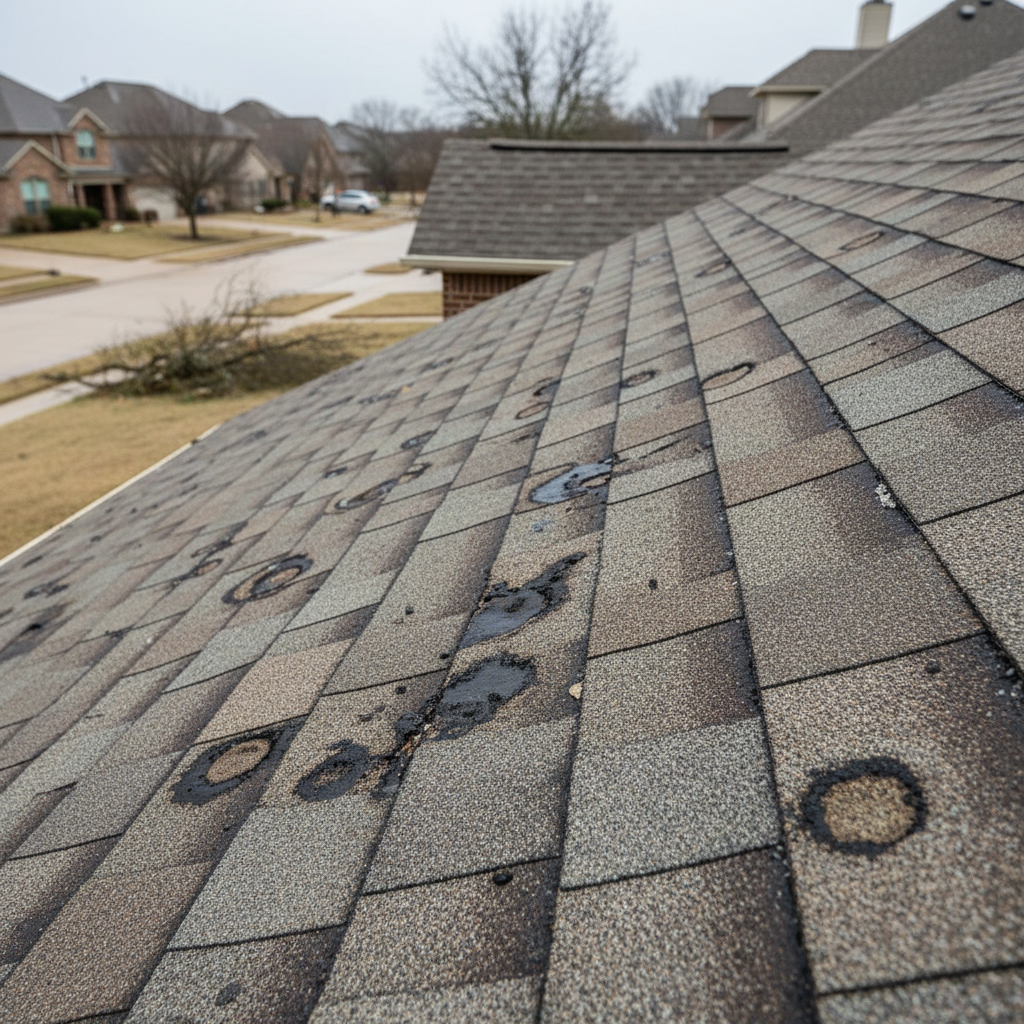
Texas weather doesn't give much warning. One afternoon you're fine, and by evening a hail storm has pelted your neighborhood with ice the size of golf balls. If that sounds familiar, you're not alone — hail is one of the leading causes of roof damage across East Texas and the wider state.
The steps you take in the first 24–72 hours after a storm can make a real difference in how well you protect your home and document what happened. Here's what to do — in the right order.
Step 1: Stay Safe First
Before you look at a single shingle, make sure the storm has fully passed. Hail and lightning can linger, and wet roofs are slippery even for professionals.
- Stay inside until weather alerts are clear
- Do a quick walk around your property from the ground — never climb onto a wet or potentially damaged roof yourself
- Check for downed power lines or fallen trees near the roofline before approaching the house
Your safety comes before any documentation.
Step 2: Do a Ground-Level Visual Check
Once it's safe to go outside, take a slow walk around the perimeter of your home. You're looking for visible signs that something may be wrong above you.
Common things to notice after a Texas hail storm:
- Dents or dings on gutters, downspouts, or metal vents (a good sign hail was large enough to cause roof damage)
- Granules washed into gutters or pooled near downspouts (asphalt shingles shed these when struck)
- Cracked or missing shingles visible from the ground
- Damaged window screens or siding — if hail hit these surfaces, it likely hit your roof too
- Water stains beginning to appear on ceilings inside your home
Take photos and short videos of everything you see, even if the damage looks minor. Timestamps matter.
For a broader list of things to watch for beyond storm season, check out 5 Warning Signs Your Roof Needs Attention.
Step 3: Document Everything — Thoroughly
Good documentation is the foundation of any next step you take, whether that's reaching out to your homeowner's insurance, getting repair estimates, or simply tracking your roof's health over time.
What to capture:
- Date and time of the storm and when you took photos
- Photos from multiple angles around your entire home, not just one side
- Close-ups of any visible damage at ground level
- Interior photos if you notice water intrusion — ceilings, attic spaces, walls
- A written note describing the storm: how long it lasted, approximate hail size if you know it, and any wind
Store these somewhere secure and easy to find. A shoebox of printed photos won't cut it when you need to share records quickly.
Step 4: Schedule a Professional Roof Inspection in Texas
Here's where most homeowners get stuck. You know something happened, but you're not sure how bad it is — and you're not sure who to call.
A professional roof inspection in Texas from a qualified local company gives you an objective, on-the-roof assessment. A trained inspector can identify damage that simply isn't visible from the ground: soft spots in decking, bruised shingles, compromised flashing, and areas where water is likely to enter next time it rains.
This is where Full Armor HomeIQ helps. Instead of hunting for a contractor and hoping for the best, the platform connects you with vetted local inspection companies in East Texas and across the state — and handles the scheduling for you. No cold calls, no guesswork about who to trust.
Once your inspection is complete, you won't receive a confusing 40-page PDF you'll never open again. You'll get a clear RoofIQ Score — a simple 0–100 number that tells you exactly where your roof stands today.
Curious how that score is put together? Read What Is a RoofIQ Score — and How Is It Calculated?
Step 5: Keep a Record That Actually Lasts
One inspection is useful. A timeline of inspections is powerful.
If you had a RoofIQ Score on file before the storm, you have a clear before-and-after comparison. That kind of documented trend — showing your roof's condition over time — is far more useful than a single snapshot when you're dealing with any follow-up situation involving your home.
It's also valuable if you're planning to sell. A shareable RoofIQ report gives buyers and their agents transparent proof of your roof's condition history, which builds trust and can reduce friction at the negotiating table. Learn more about that in How a Strong RoofIQ Score Boosts Your Home's Resale Value.
A Note About Storm Season Preparation
The best time to document your roof's baseline condition is before storm season hits. If you haven't yet, our Texas Storm-Season Roof Maintenance Checklist walks you through what to do in the weeks ahead of severe weather — so you're never starting from scratch after a storm.
The Bottom Line
After a hail storm in Texas, the homeowners who come out ahead are the ones who act quickly, document thoroughly, and get a professional set of eyes on their roof — not the ones who wait and hope the damage isn't that bad.
A professional roof inspection paired with a clear, trackable RoofIQ Score puts you in control of what's happening above your head. Whether you're in Longview, Tyler, Nacogdoches, or anywhere else in East Texas, Full Armor HomeIQ makes that process straightforward.
Ready to know exactly where your roof stands? Get your RoofIQ Score today and start building the kind of documented record that protects your home — storm season or not.
Frequently Asked Questions
Written by Full Armor HomeIQ Team
The Full Armor HomeIQ team helps homeowners understand and track their home's condition — starting with the roof.
Get Your RoofIQ Score
Contact Full Armor HomeIQ for a free inspection and consultation.
Get a Free Quote