7 Signs Your Roof Needs a Professional Inspection Before the Next Storm
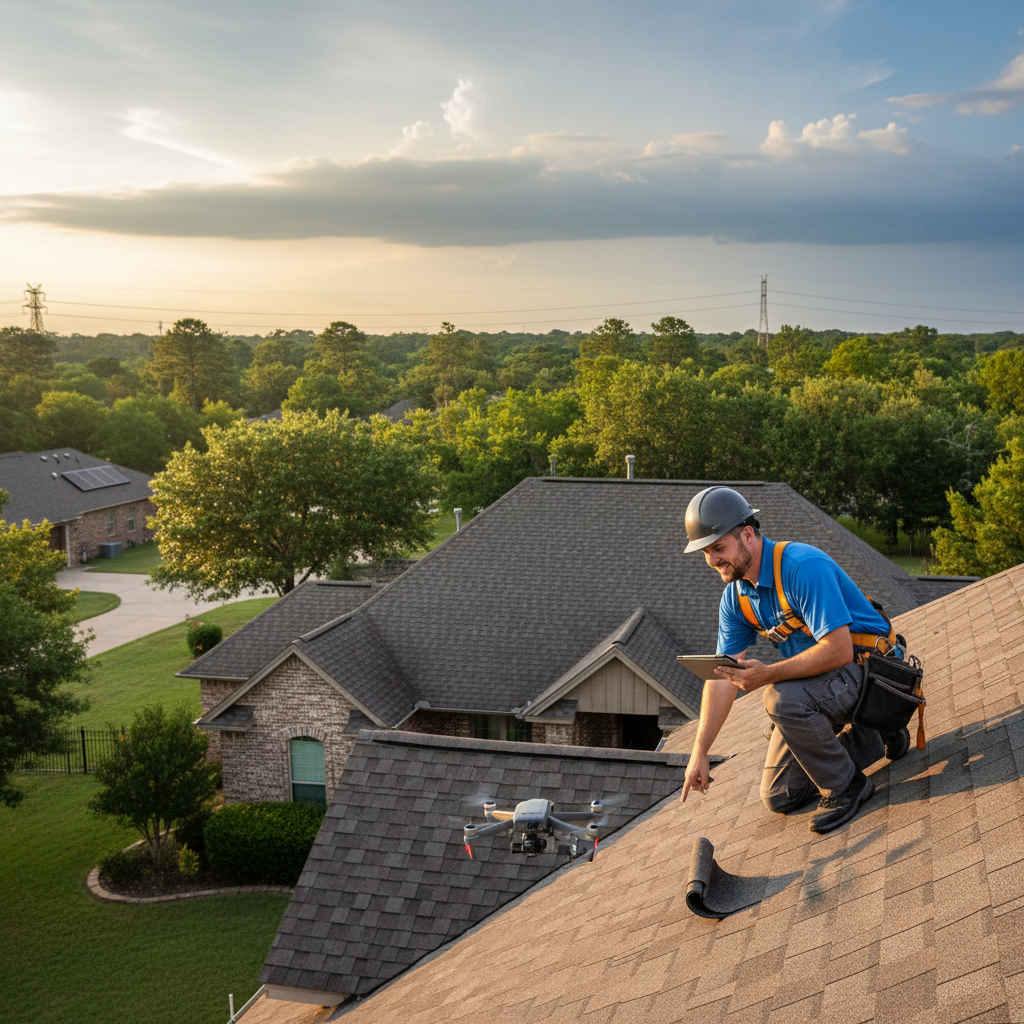
Storms don't wait for a convenient time, and neither do roofing problems. The good news is that most serious roof damage gives you clues well before it becomes a major headache. Knowing the signs you need a roof inspection can save you thousands of dollars and a lot of stress.
Here are seven things to watch for — and what to do when you spot them.
1. Your Roof Is 15 or More Years Old
Most asphalt shingle roofs are designed to last 20–30 years, but age alone isn't the whole story. Heat, hail, and humidity — all common across East Texas and the rest of the state — accelerate wear. If your roof is 15 years or older and you don't have a recent professional inspection on record, now is the right time to get one.
A dated roof with no documented history is also a red flag for buyers and lenders. A clear, shareable roof condition report can work in your favor when it's time to sell or refinance.
2. Missing, Curling, or Cracked Shingles
Shingles protect everything underneath them. When they start to:
- Curl at the edges (cupping or clawing)
- Crack or split from temperature cycles
- Go missing after a windy night
…water has an open invitation into your home. A few damaged shingles might seem minor, but each one is a potential leak point during the next heavy rain.
3. Granules Filling Your Gutters
Asphalt shingles are coated with tiny granules that protect against UV rays and impact. It's normal to lose a few, but if you're scooping handfuls of dark, sand-like granules out of your gutters — or seeing bare, shiny patches on shingles — that's a sign the surface is breaking down faster than it should.
This often shows up after a hailstorm, even when the shingles look intact from the ground. A professional roof inspection catches granule loss that a quick visual from the driveway simply can't.
4. Sagging Areas or a Wavy Roofline
A healthy roof should have clean, straight lines. If any section looks like it's bowing, sagging, or rippling, that points to a structural concern — possibly a weakened deck or damaged support underneath the shingles. This is one of the more urgent signs you need a roof inspection, because structural issues don't improve on their own.
Don't climb up to investigate yourself. A vetted local inspector can assess the situation safely and give you a clear picture of what's going on.
5. Water Stains on Your Ceilings or Walls
Brown rings or damp spots on interior ceilings are a classic sign that water is getting in somewhere above. The tricky part: the leak point on the roof is often several feet away from where the stain appears inside. That's why interior water damage almost always warrants a professional roof inspection — the source needs to be traced, not guessed at.
If you've noticed staining after recent storms, check out our Texas storm-season roof maintenance checklist for a full picture of what to look for before and after severe weather.
6. Daylight Visible in Your Attic
If you can see streams of daylight coming through your attic boards, wind-driven rain can get in through those same gaps. While you're up there, also check for dark staining on the wood or insulation that feels wet — both are signs of active or recent moisture intrusion.
An attic check is something you can do yourself as a first look, but confirming the source and extent of any damage is a job for a professional.
7. No Inspection Record in the Last 3–5 Years
This one is easy to overlook because there's nothing visually alarming — yet. Most roofing professionals recommend a professional inspection every three to five years, and after any significant storm. If you simply don't know the current condition of your roof, that uncertainty is itself a problem.
Without a documented inspection history, you're flying blind when it comes to maintenance planning, insurance conversations, or a future home sale. As we explain in What Is a RoofIQ Score — and How Is It Calculated?, having a clear record of your roof's condition over time is one of the smartest things a homeowner can do.
What to Do When You Spot These Signs
Seeing one or more of these warning signs doesn't automatically mean you need a full replacement — but it does mean you need clear, professional information before the next storm arrives.
Here's a simple path forward:
- Schedule a professional roof inspection with a vetted local company.
- Get a RoofIQ Score — a simple 0–100 rating of your roof's current health, backed by the inspector's findings.
- Keep the report on file so you have a documented baseline for future comparisons, insurance conversations, or home sales.
Homeowners in Tyler, Longview, Nacogdoches, and throughout East Texas can connect with trusted local inspection companies through Full Armor HomeIQ — no searching, no guesswork, and no 40-page PDF to decode.
For a deeper look at what inspectors examine, visit our guide on 5 warning signs your roof needs attention.
Don't Wait for a Leak to Find Out
The best time to get a roof inspection is before a storm reveals a problem for you. A RoofIQ Score gives you a clear, shareable snapshot of your roof's health today — and a record you can build on over time.
Ready to know where your roof stands? Get your RoofIQ Score and connect with a trusted local inspector in your area.
Frequently Asked Questions
Written by Full Armor HomeIQ Team
The Full Armor HomeIQ team helps homeowners understand and track their home's condition — starting with the roof.
Get Your RoofIQ Score
Contact Full Armor HomeIQ for a free inspection and consultation.
Get a Free Quote