
Why Tracking Your Home's Condition Over Time Can Save You Thousands
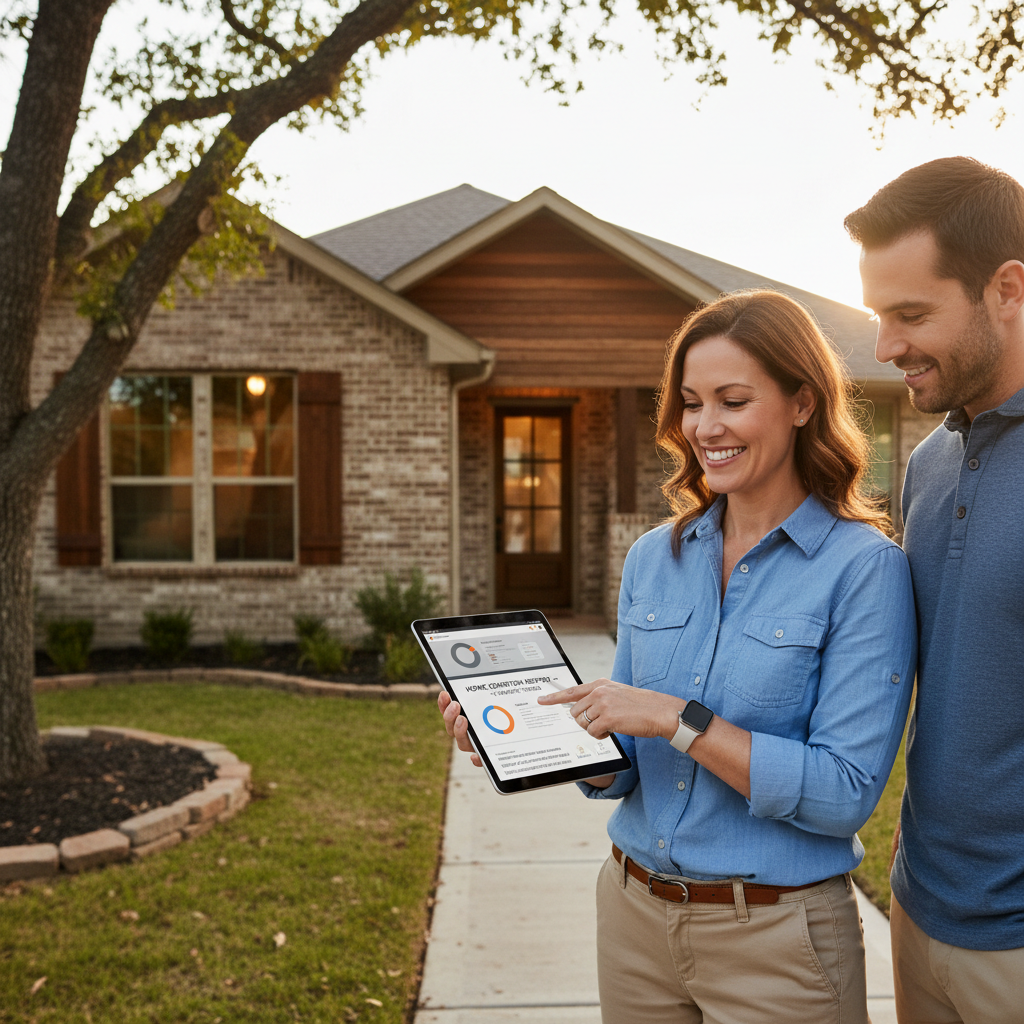
Most homeowners only think about their home's condition when something goes wrong. A leak appears. A buyer's inspector finds an issue at closing. An insurance adjuster asks for documentation that doesn't exist. By that point, what could have been a minor repair has often become a major expense.
Tracking your home's condition over time changes that dynamic entirely — and it can genuinely save you thousands of dollars in the process.
The Problem With a "One and Done" Approach
A single inspection snapshot is useful, but it only tells you what a property looks like on one particular day. It can't tell you whether a problem is getting worse, holding steady, or was actually resolved. Without year-over-year context, every new issue feels like it came out of nowhere.
That's especially true in Texas, where heat, humidity, and severe storm seasons put real, ongoing stress on roofs and exteriors. Texas hail and storms can cause damage that compounds quietly over time, making early tracking even more important for homeowners in East Texas and beyond.
What Home Condition Tracking Actually Looks Like
Tracking your home's condition doesn't mean obsessing over every nail and shingle. It means building a consistent, documented record that captures how your property is performing across the areas that matter most — roof, foundation, HVAC, plumbing, and more.
At a practical level, good home maintenance tracking includes:
- Regular professional inspections on a predictable schedule
- A clear record of findings that's easy to read and revisit — not a buried PDF
- Trend data so you can see whether a condition is stable, improving, or declining
- Documentation of any repairs or maintenance performed between inspections
When this information is organized and accessible, you're no longer reacting. You're managing.
Where the Savings Actually Come From
Catching Problems While They're Still Small
Small roof issues — worn flashing, a few missing granules, minor sealant failures — are inexpensive to address when caught early. Left unmonitored, those same issues can allow water intrusion that damages decking, insulation, and interior ceilings. The cost difference between early intervention and late-stage repair can be dramatic.
Understanding what warning signs to look for is a helpful first step, but a professional inspection puts documented, objective data behind what you're seeing.
Avoiding Expensive Surprises at the Worst Moments
Imagine listing your home and discovering — through the buyer's inspector — that your roof has significant wear that's been quietly developing for years. That finding can delay closing, affect your sale price, or kill a deal entirely.
Homeowners who have a current, well-documented roof condition report are in a much stronger position. They can show buyers verified condition history, demonstrate responsible maintenance, and move through closing with confidence. Learn more about how a shareable roof condition report can speed up closing in Texas.
Smarter Decisions About When to Repair or Replace
When you have trend data — not just one inspection, but a history — you can make better decisions about timing. Is your roof declining steadily and approaching the end of its serviceable life? Or is it holding up well after a recent maintenance pass? That context helps you plan and budget instead of react.
Knowing how often to get your roof inspected is part of building that informed, proactive approach.
The Difference Between a Score and a Stack of Paper
One of the biggest barriers to consistent home maintenance tracking is that traditional inspection reports are difficult to use. A 40-page PDF filled with technical language is hard to compare year over year. Most homeowners read it once, save it somewhere, and never look at it again.
A simple, standardized score changes that. When your roof condition is expressed as a number — say, 74 out of 100 — and that number is tracked over time, you can immediately see whether things are getting better or worse. You don't need to dig through pages of technical notes to answer a simple question: is my roof doing okay?
That's the idea behind RoofIQ — turning a professional roof inspection into a clear 0–100 health score that's tracked over time and shareable when you need it.
Why This Matters Especially in East Texas
Homeowners in East Texas deal with a specific combination of weather challenges: heavy spring storms, summer heat, pine tree overhang, and high humidity. These conditions accelerate roof wear in ways that aren't always visible from the ground.
Building a consistent inspection history is particularly valuable here. Not because East Texas roofs are inherently worse, but because the environment demands more attention — and documented condition history gives you proof of how well you've managed it.
If you're not sure where to start, finding a trustworthy roofing inspector in East Texas is the right first step.
Building Your Home's Condition Record Starts Today
You don't need years of history to benefit from home maintenance tracking. You just need to start. One professional inspection, documented clearly and scored in a way you can actually understand, gives you a baseline. Every inspection after that adds context, trend data, and value.
Whether you're protecting the home you plan to stay in for decades, preparing to sell, or simply trying to avoid a costly surprise, a documented condition history gives you something most homeowners don't have: clarity.
Ready to know where your roof actually stands? Get Your RoofIQ Score today and start building the kind of home condition record that protects your investment — year after year.
Frequently Asked Questions
Written by Full Armor HomeIQ Team
The Full Armor HomeIQ team helps homeowners understand and track their home's condition — starting with the roof.
Get Your RoofIQ Score
Contact Full Armor HomeIQ for a free inspection and consultation.
Get a Free Quote