What to Look for When Hiring a Roof Inspector in Tyler or Longview, TX
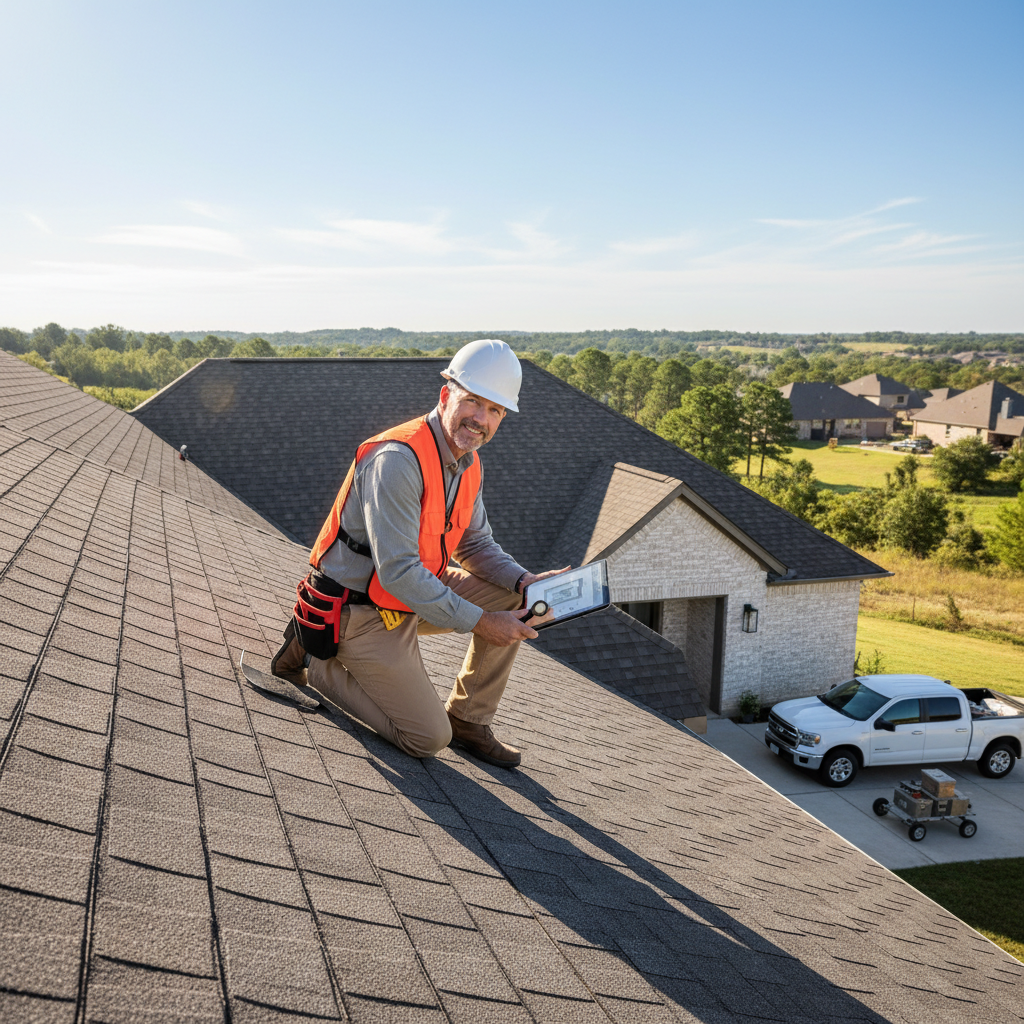
Hiring a roof inspector sounds simple — until you're staring at a list of names online and wondering how to tell the good ones from the not-so-good ones. In Tyler and Longview, TX, the right inspector can mean the difference between catching a small problem early and discovering a big one at the worst possible time.
This guide walks you through the key things to look for so you can hire with confidence.
Why Getting This Right Matters in East Texas
East Texas weather is hard on roofs. Hail, heavy rain, and intense summer heat put real wear on shingles, flashing, and gutters every year. By the time visible damage shows up inside your home, the problem outside has usually been brewing for a while.
A qualified roof inspector helps you stay ahead of that — but only if you hire someone with the right experience, process, and documentation habits. If you're curious about what that damage cycle looks like over time, check out How Texas Hail and Storms Damage Your Roof Over Time.
1. Look for Verifiable Credentials
In Texas, roofing and inspection work is regulated, and credentials matter. When you're evaluating a roof inspector, ask:
- Are they licensed to operate in Texas?
- Do they carry general liability insurance?
- Do they have workers' compensation coverage (or a clear written reason why not)?
A legitimate professional will have no problem answering these questions and showing documentation. If someone is hesitant or vague, that's a signal worth noticing.
2. Ask About Their Inspection Process
Not all roof inspections follow the same process. A thorough inspection should cover:
- Shingles and surface material — looking for cracks, curling, missing granules, or blistering
- Flashing — checking seals around chimneys, vents, and skylights where leaks commonly start
- Gutters and drainage — confirming water can flow away from the roof correctly
- Decking and structure — identifying soft spots or signs of moisture damage underneath
- Ventilation — assessing whether the attic is ventilated properly to prevent long-term heat damage
If an inspector can't walk you through what they check and why, that's a gap worth questioning. For a detailed look at what a thorough inspection should surface, see 7 Signs Your Roof Needs a Professional Inspection Before the Next Storm.
3. Find Out What You'll Receive Afterward
This is where many homeowners feel let down. They schedule an inspection, the inspector comes out, and a few days later a lengthy PDF lands in their inbox — full of technical language, confusing codes, and photos without clear context.
A good inspector delivers findings in a format you can actually use:
- Clear photos with descriptions, not just raw images
- Prioritized findings — what needs attention now vs. what to monitor
- A report you can share with a contractor, lender, or buyer if needed
This is exactly why Full Armor HomeIQ was built the way it was. Rather than leaving you with a 40-page document you'll never look at again, our RoofIQ platform turns a professional inspection into a single 0–100 health score with a clean, shareable report. If you've never seen how that works, What Does a Roof Health Score Actually Mean — and Why It Beats a 40-Page Inspection PDF is a great place to start.
4. Check Their Local Experience
A roof inspector who works regularly in Tyler and Longview understands local conditions — the specific storm patterns, the types of roofing materials common in the area, and the local building norms. That local knowledge shapes how they interpret what they see.
Ask how long they've been working in East Texas and whether they're familiar with your neighborhood or roof type. This isn't about being exclusive — it's about making sure their frame of reference matches the reality of your home.
5. Watch for Red Flags
A few patterns are worth avoiding:
- Unusually low prices with pressure to book immediately — quality inspections take time and expertise
- Refusing to put things in writing — credentials, scope of work, and deliverables should always be documented
- Vague or inconsistent answers about what the inspection includes
- No clear process for follow-up if you have questions after the report is delivered
If you want a fuller picture of what separates trustworthy roofing professionals from the rest, How to Find a Trustworthy Roofing Inspector in East Texas covers this in depth.
6. Think Beyond the Single Inspection
One inspection is a snapshot. What you really want is a trend — a year-over-year record that shows whether your roof is holding steady, improving after repairs, or gradually declining.
That kind of history matters when you're selling your home, refinancing, or filing a claim. It gives everyone involved — buyers, lenders, adjusters — something concrete to work with instead of relying on guesswork. For more on why that record is so valuable, read Why Tracking Your Home's Condition Over Time Can Save You Thousands.
Full Armor HomeIQ tracks your RoofIQ score over time, so every inspection builds on the last. It's the kind of documentation that turns a single visit into a long-term asset for your home.
Finding the Right Inspector in Tyler or Longview
If you're not sure where to start, Full Armor HomeIQ matches Tyler and Longview homeowners with vetted local roofing professionals — handling scheduling so you don't have to chase anyone down. Every inspection through our platform produces a standardized RoofIQ report you can keep, share, and build on over time.
You don't have to wonder whether you're hiring the right person. We've already done that work for you.
Ready to know exactly where your roof stands? Get Your RoofIQ Score today and connect with a qualified local inspector in Tyler or Longview, TX.
Frequently Asked Questions
Written by Full Armor HomeIQ Team
The Full Armor HomeIQ team helps homeowners understand and track their home's condition — starting with the roof.
Get Your RoofIQ Score
Contact Full Armor HomeIQ for a free inspection and consultation.
Get a Free Quote