What Is a Roof Health Score and Why Every Homeowner Needs One
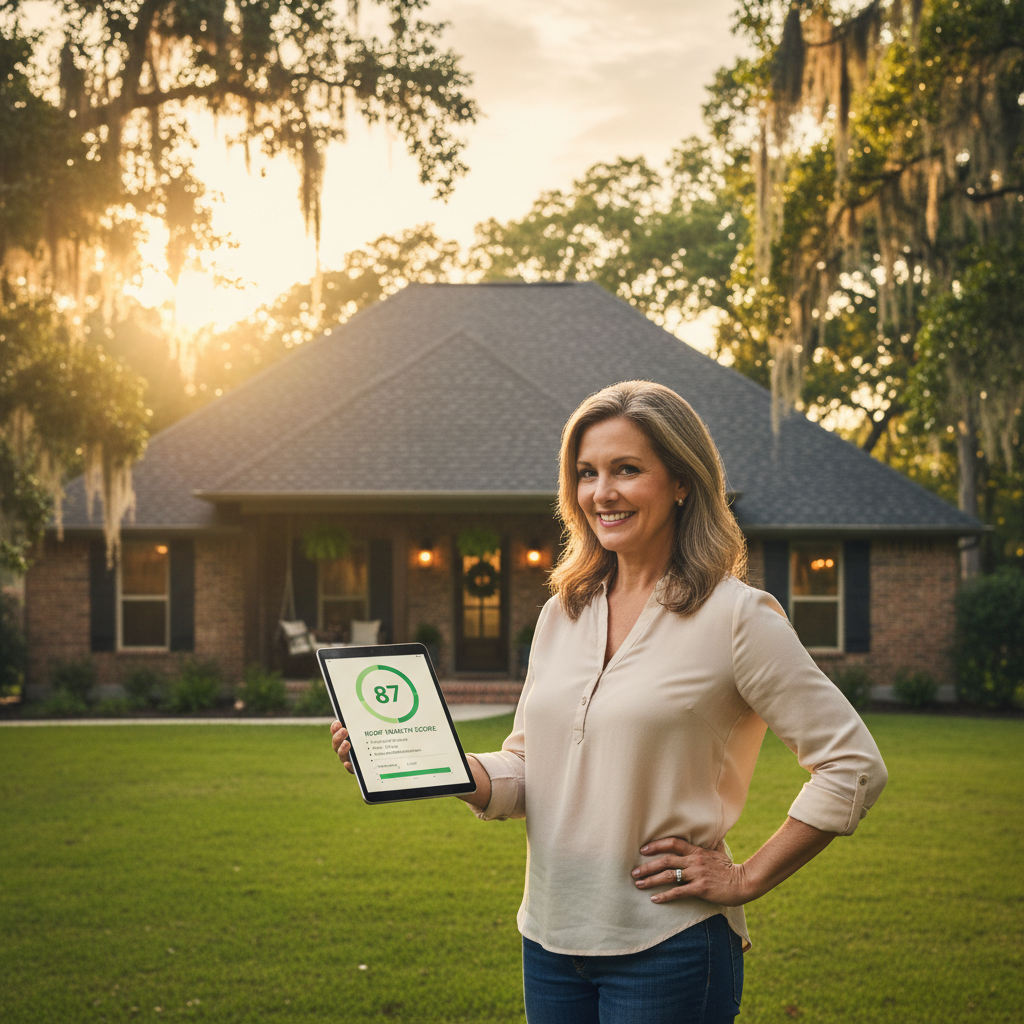
Most homeowners have no idea how their roof is doing until water starts coming through the ceiling. By that point, a small problem has quietly grown into a costly one. A roof health score changes that — giving you a clear, honest picture of your roof's condition before trouble finds you.
What Is a Roof Health Score?
A roof health score is a single number — typically on a scale of 0 to 100 — that summarizes the overall condition of your roof after a professional inspection. Instead of handing you a dense, 40-page PDF filled with technical language, a health score distills everything a trained inspector finds into one easy-to-understand rating.
Think of it like a credit score for your roof. A high score means your roof is in solid shape. A lower score tells you there are issues worth addressing — and the sooner the better.
At Full Armor HomeIQ, this is exactly what RoofIQ delivers: a professionally backed 0–100 score that reflects the real condition of your roof, tracked over time so you can see whether things are improving, holding steady, or declining.
Why a Number Is More Useful Than a Report
Traditional inspection reports serve a purpose, but most homeowners don't read them thoroughly — and honestly, most aren't designed to be read by non-experts. A long report can bury the most important findings between pages of boilerplate text.
A roof health score solves that:
- It's instant to understand. A 78 out of 100 means something. A 41 out of 100 means something very different.
- It's easy to share. Whether you're selling your home, refinancing, or talking to an insurance adjuster, a clean, shareable score and report speaks clearly. Learn more about how a shareable roof condition report helps you sell your home faster.
- It creates a record over time. One score is a snapshot. Multiple scores over several years become a trend — and that trend tells a much richer story about your home's maintenance history.
What Goes Into a Roof Health Score?
A trustworthy score isn't just a guess — it's built on what a qualified inspector actually finds on your roof. Behind the score, inspectors typically evaluate factors like:
- Shingle condition (cracking, curling, granule loss)
- Flashing integrity around chimneys, vents, and edges
- Gutter and drainage performance
- Signs of moisture intrusion or soft spots
- Age and expected remaining lifespan of materials
- Storm or hail damage
Each of these areas contributes to the final score. The result is an honest, professional assessment — not a sales pitch.
Why Texas Homeowners Need This More Than Most
If you own a home in Texas — especially in East Texas — your roof faces conditions that homeowners in many other states simply don't deal with at the same intensity. Hail, high winds, intense summer heat, and sudden severe storms put real stress on roofing materials year after year.
The problem is that Texas hail and storms damage your roof gradually, often in ways that aren't visible from the ground. By the time you notice something wrong, the damage may have been building for months or years.
Having a roof health score — and tracking it over time — means you catch that gradual decline early. That's far better than discovering it during a home sale negotiation or after a major storm event. If you want to stay ahead of what Texas weather can do, our Texas storm-season roof maintenance checklist is a great companion resource.
When a Roof Health Score Really Pays Off
There are a handful of moments when having a documented, professional roof health score makes a real difference:
Buying or Selling a Home
A strong RoofIQ score gives sellers a credible, easy-to-share proof point that the roof is in good condition. Buyers can evaluate a home with confidence rather than guessing. See how a strong RoofIQ score can boost your home's resale value.
Refinancing
Lenders want assurance that a home is well-maintained. A documented roof score with a history of care is a straightforward way to demonstrate that.
After a Storm
If you need to document damage for an insurance claim, having a pre-storm baseline score makes the process cleaner and better supported. Read more about what to do after a Texas hail storm and how to document your roof's condition the right way.
Routine Peace of Mind
You don't need a crisis to benefit from knowing where your roof stands. Annual or bi-annual scoring keeps you informed — and keeps small issues from becoming expensive ones. The hidden cost of waiting on roof repairs is real, and a health score helps you avoid it.
How Full Armor HomeIQ Makes It Simple
Full Armor HomeIQ matches homeowners with vetted local inspection professionals across Texas — including the Tyler, Longview, Nacogdoches, and East Texas areas — handles the scheduling, and delivers your RoofIQ score in a clean, secure, shareable report.
No chasing down contractors. No confusing paperwork. No wondering if the person on your roof is trustworthy. Just a straightforward score, backed by a professional inspection, that you can actually use.
And because scores are tracked over time, you build a real maintenance history for your home — something that matters whether you plan to stay for decades or sell in a few years.
Your roof protects everything under it. Knowing its condition shouldn't require a construction background or a stack of paperwork. Get your RoofIQ score today and find out exactly where your roof stands — in one clear number.
Frequently Asked Questions
Written by Full Armor HomeIQ Team
The Full Armor HomeIQ team helps homeowners understand and track their home's condition — starting with the roof.
Get Your RoofIQ Score
Contact Full Armor HomeIQ for a free inspection and consultation.
Get a Free Quote