What Does a Professional Roof Inspection Actually Include?
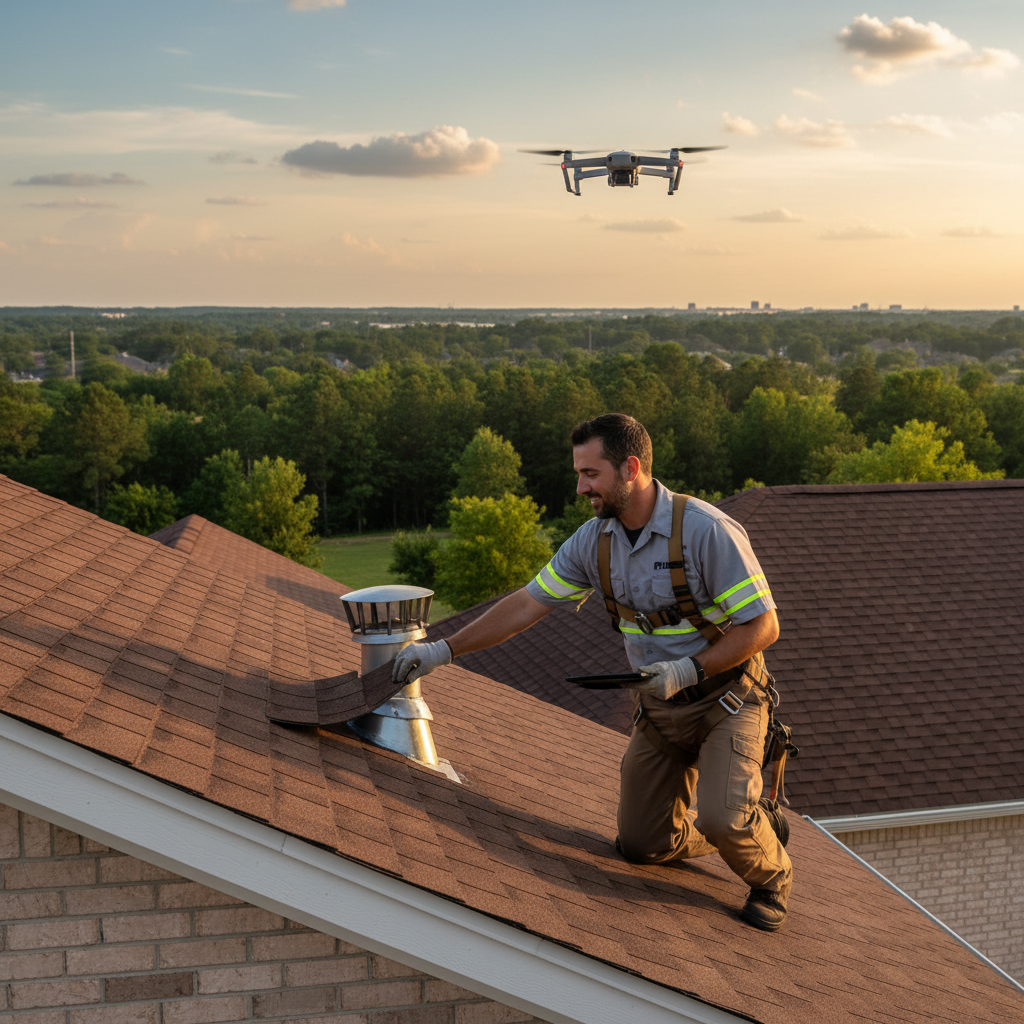
Most homeowners know they should get their roof inspected, but very few know what actually happens during one. Is the inspector just walking around and eyeballing things? Are they checking inside the attic too? What do they put in the report?
Good questions. Let's walk through it clearly.
Why It Matters to Know What's Being Checked
A roof inspection is only as useful as your ability to act on it. If you don't know what the inspector looked at — or what they found — the whole visit doesn't do much for you. Understanding the process helps you ask better questions, spot red flags, and actually use the information to protect your home.
If you've ever wondered whether you even need one right now, our article on 7 Signs Your Roof Needs a Professional Inspection Before the Next Storm is a good place to start.
The Main Areas a Professional Roof Inspection Covers
A thorough roof inspection typically covers several distinct areas of your roof system — not just the shingles you can see from the street.
1. Shingles and Surface Materials
This is the most visible part of the inspection. The inspector is looking for:
- Missing, cracked, or curling shingles — signs of age or storm damage
- Granule loss — the small protective coating on asphalt shingles wears away over time
- Blistering or bubbling — often caused by poor ventilation or manufacturing defects
- Staining or discoloration — can signal moisture problems or algae growth
In Texas, where hail and heavy wind are common, shingle damage after a storm isn't always obvious from the ground. A trained inspector knows what storm-related wear actually looks like up close. For more on how weather affects your roof over time, see How Texas Hail and Storms Damage Your Roof Over Time.
2. Flashing and Seals
Flashing is the metal material used around chimneys, vents, skylights, and where the roof meets a wall. It's one of the most common entry points for water when it fails.
The inspector will check whether flashing is:
- Properly sealed and intact
- Rusting, lifting, or separating from surfaces
- Installed correctly around penetrations
Small flashing problems are inexpensive to fix. Ignored, they can lead to interior water damage that costs far more.
3. Gutters and Drainage
Gutters are part of your roof system. A professional inspection includes checking for:
- Proper slope and attachment
- Clogs or standing water
- Granule buildup (a sign of shingle wear)
- Separation from the fascia board
Poor drainage pushes water back against your roofline, which speeds up deterioration.
4. Roof Penetrations and Vents
Every pipe, vent, and opening in your roof is a potential weak point. Inspectors check boot seals around plumbing vents, attic ventilation points, and any other penetrations to make sure they're sealed and functioning.
5. Structural Condition
Beyond the surface, an inspector may assess:
- Sagging or uneven areas — which can indicate structural or decking issues underneath
- Ridge line straightness — a wavy ridge is often a sign of underlying problems
- Soffit and fascia condition — these protect the roof edge and attic
6. Attic (When Accessible)
Many comprehensive inspections include a look inside the attic, which can reveal:
- Signs of active or past leaks
- Mold or moisture damage
- Insulation condition
- Ventilation adequacy
Attic findings often tell a story that the exterior alone doesn't show.
What You Should Get After the Inspection
Here's where a lot of homeowners get let down: the inspection itself is only half the value. What you receive afterward matters just as much.
Traditionally, a roof inspection produces a long PDF filled with technical language, photos, and checkboxes. Many homeowners read the first page and set it aside forever. That's a problem — because if you can't understand the report, you can't use it.
This is exactly why Full Armor HomeIQ translates a professional inspection into a simple 0–100 RoofIQ Score. Instead of decoding a 40-page document, you get a clear number that reflects your roof's overall condition — plus the details behind it, organized in plain language. Learn more about what that score means and how it's built in What Does a Roof Health Score Actually Mean — and Why It Beats a 40-Page Inspection PDF.
Your RoofIQ report is also secure and shareable — which is especially valuable if you're selling your home, refinancing, or filing an insurance claim. See how that plays out in Selling Your Home in Texas? Here's How a Shareable Roof Condition Report Can Speed Up Closing.
How Often Should You Get One?
For most Texas homeowners, a professional roof inspection every one to two years is a reasonable cadence — or after any major storm. East Texas in particular sees significant weather events that can cause damage that isn't visible to the untrained eye. We cover this in detail in How Often Should You Get a Roof Inspection? A Texas Homeowner's Guide.
Getting inspected consistently also means you build a year-over-year record of your roof's condition — something that can be genuinely useful when it comes time to sell. Read more about why that matters in How to Build a Year-Over-Year Maintenance History for Your Home.
Finding a Qualified Inspector in Texas
Not all roof inspections are equal, and not all contractors offering free "inspections" are giving you an unbiased assessment. A qualified professional inspector is trained to document what's there — not just pitch you on a replacement.
If you're in East Texas and unsure where to start, How to Find a Trustworthy Roofing Inspector in East Texas walks through what to look for.
Full Armor HomeIQ connects homeowners across Texas — including the Tyler, Longview, and Nacogdoches areas — with vetted local inspection professionals, handles scheduling, and delivers your results in one clean, trackable report.
Ready to know exactly where your roof stands? Get your RoofIQ Score today and turn a professional inspection into a clear number you can actually use — now and every year going forward.
Frequently Asked Questions
Written by Full Armor HomeIQ Team
The Full Armor HomeIQ team helps homeowners understand and track their home's condition — starting with the roof.
Get Your RoofIQ Score
Contact Full Armor HomeIQ for a free inspection and consultation.
Get a Free Quote