
Texas Weather and Your Roof: What Every Homeowner Should Know
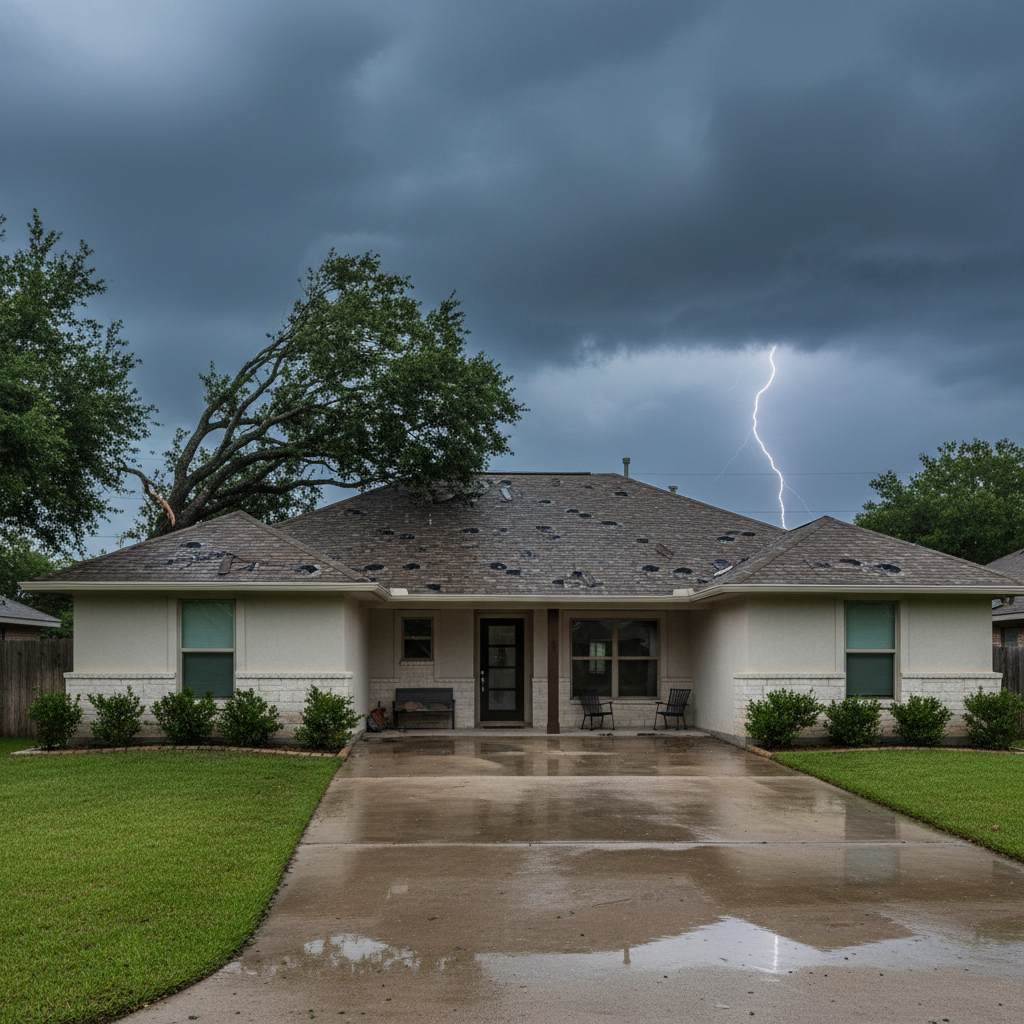
Texas is one of the most demanding states in the country for residential roofing. From spring hailstorms and summer heat to fall tropical remnants and winter ice, your roof faces a full calendar of threats. If you haven't scheduled a Texas roof inspection recently, you may not know how much wear is quietly building up overhead.
Here's a straightforward look at what Texas weather actually does to your roof — and how to stay ahead of costly surprises.
The Texas Weather Threat: Season by Season
Spring: Hail and High Winds
Spring is the most active severe-weather season across Texas. Hailstorms sweep through East Texas, the Dallas Metroplex, and everywhere in between, sometimes dropping hailstones large enough to crack shingles, dent flashing, and crack ridge caps.
What makes hail especially tricky is that the damage isn't always visible from the ground. A shingle that looks fine from the street may have had its protective granules knocked loose — leaving the underlying mat exposed to UV rays and moisture.
Related: 7 Signs Your Roof Needs a Professional Inspection Before the Next Storm
Summer: Relentless Heat and UV Exposure
East Texas summers routinely push past 95°F for weeks at a time. That sustained heat causes asphalt shingles to expand and contract repeatedly, eventually leading to cracking, curling, and blistering. UV radiation degrades the oils that keep shingles flexible, accelerating aging on any roof that's more than 7–10 years old.
Attic ventilation plays a major role here. Poor ventilation traps heat, which bakes the shingles from the inside out and can shorten a roof's lifespan significantly.
Fall: Tropical Moisture and Heavy Rain
Fall in East Texas often brings prolonged rain events from Gulf moisture or remnants of tropical systems. Heavy rainfall tests every seal, flashing joint, and valley on your roof. Small gaps that seemed harmless all summer suddenly become leak pathways.
This is also when homeowners typically notice interior staining on ceilings — often the first visible sign of a problem that started much earlier.
Related: Your Roof Is Trying to Tell You Something: 5 Warning Signs East Texas Homeowners Miss Every Spring
Winter: Ice, Freeze-Thaw Cycles, and Heavy Debris
Winter weather is unpredictable in Texas. Freezing rain and ice accumulation add weight to your roof structure and can cause ice damming along eaves, forcing water underneath shingles. The 2021 winter storm reminded many Texas homeowners just how unprepared their homes — and roofs — can be for extreme cold.
Why a Texas Roof Inspection Matters More Than You Think
Most homeowners don't think about their roof until something goes wrong inside the house. By that point, water damage, mold risk, and structural issues are already in play — and the repair bill is much larger than it would have been with earlier action.
A professional Texas roof inspection gives you a clear picture of your roof's actual condition before problems escalate. A trained inspector looks at:
- Shingle condition — cracking, curling, missing granules, blistering
- Flashing and seals — around chimneys, vents, skylights, and valleys
- Ridge and hip integrity — often the first area to show storm wear
- Soffit, fascia, and gutters — drainage health and moisture intrusion points
- Attic ventilation and decking — signs of interior moisture or structural weakness
The challenge has always been knowing what to do with a lengthy, technical inspection report. That's where Full Armor HomeIQ's RoofIQ score changes the picture.
From Confusing Report to a Simple 0–100 Score
A traditional inspection report can run 30–40 pages of technical language, photos, and checkboxes. Most homeowners read it once, feel overwhelmed, and file it away — never to look at it again.
Full Armor HomeIQ converts your professional roof inspection into a single, easy-to-understand RoofIQ score from 0 to 100. You instantly know where your roof stands, what needs attention, and how it's trending over time.
Because conditions are tracked across inspections, you can see whether your roof is holding steady, slowly declining, or improving after repairs. That historical record is genuinely valuable — whether you're planning maintenance, preparing to sell your home, refinancing, or navigating a claim conversation with your insurance carrier.
How Often Should Texas Homeowners Get a Roof Inspection?
For most Texas homes, an annual inspection is a smart baseline — especially after any significant storm. Here's a simple rule of thumb:
- After any hail event or high-wind storm → Schedule an inspection promptly
- Every 12 months → Routine check to track normal wear
- Before listing your home for sale → A shareable RoofIQ report builds buyer confidence
- Before refinancing → Documented roof health supports your home's value
Finding a Trusted Inspector in East Texas
One of the biggest frustrations homeowners face is knowing which contractor to trust. Full Armor HomeIQ connects you with vetted local inspection companies across East Texas — including the Longview, Tyler, Nacogdoches, and Dallas areas — and handles scheduling for you. No chasing quotes, no guessing about credentials.
Take the Guesswork Out of Roof Health
Texas weather isn't getting easier on roofs. The best thing you can do as a homeowner is know your roof's condition before the next storm — not after.
Get your RoofIQ Score today. Full Armor HomeIQ matches you with a trusted local inspector, turns the results into a clear 0–100 score, and keeps a secure record you can share anytime. It's the simplest way to protect one of your home's most important assets.
Frequently Asked Questions
Written by Full Armor HomeIQ Team
The Full Armor HomeIQ team helps homeowners understand and track their home's condition — starting with the roof.
Get Your RoofIQ Score
Contact Full Armor HomeIQ for a free inspection and consultation.
Get a Free Quote