
Your Roof Is Trying to Tell You Something: 5 Warning Signs East Texas Homeowners Miss Every Spring
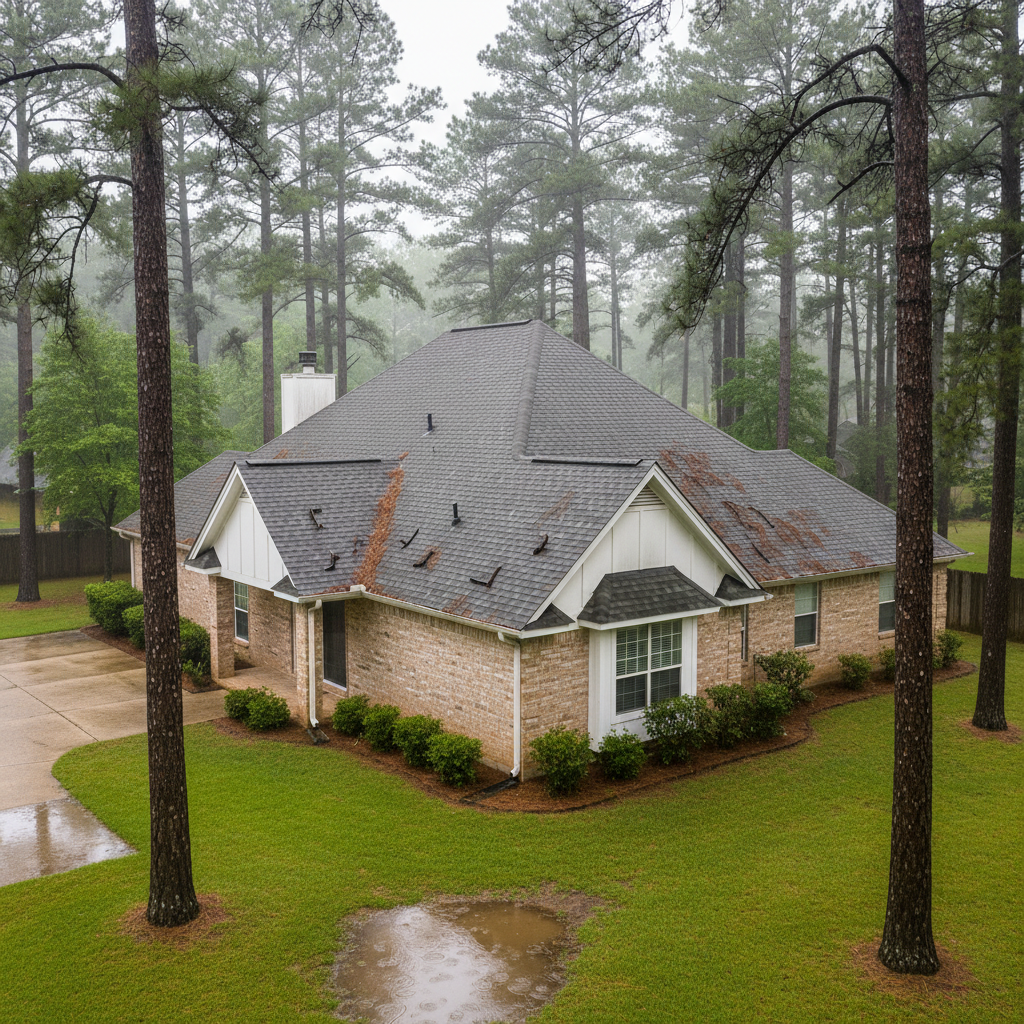
Spring in East Texas is beautiful — blooming dogwoods, warming temperatures, and the smell of fresh rain. But that same season brings intense thunderstorms, high humidity, and strong wind gusts that can quietly wear down your roof without leaving an obvious trace.
The problem? Most homeowners don't notice roof damage until it shows up as a water stain on the ceiling or a shingle in the yard. By then, the repair bill is usually much bigger than it needed to be.
A professional roof inspection in East Texas every spring is one of the smartest, most affordable things you can do to protect your home. But knowing what to look for in between inspections matters too. Here are five warning signs that commonly slip past homeowners this time of year.
1. Granules Collecting in Your Gutters
Asphalt shingles are coated with small granules that protect the underlying material from UV rays and weathering. After a winter of temperature swings and spring storms, those granules can begin shedding.
If you're cleaning your gutters this spring and notice a gritty, sand-like buildup — especially if it's dark or matches the color of your shingles — your roof may be showing its age. A little granule loss is normal over time. A lot of it, all at once, is a signal worth taking seriously.
Why it matters:
Once the protective granule layer wears thin, shingles deteriorate faster and become more vulnerable to leaks.
2. Soft Spots or Sagging Along the Roofline
Stand at the edge of your yard and look at your roofline. It should appear straight and even. Any visible dips, waves, or sagging sections could point to structural issues — often caused by moisture that has worked its way into the decking beneath the shingles.
East Texas humidity is relentless. Even small, slow leaks — ones that never make it to your ceiling — can saturate roof decking over months or years.
If you notice soft spots when you're up on a ladder (always prioritize safety and consider hiring a pro), that's a clear sign a professional should take a closer look.
3. Flashing That's Lifted, Cracked, or Missing
Flashing is the thin metal material installed around chimneys, skylights, vents, and roof valleys to direct water away from seams. It's also one of the most commonly overlooked parts of a roof.
After a stormy East Texas winter, flashing can loosen, pull away, or corrode. When it's not sealing properly, water finds a way in — often at the exact spots that are hardest to spot from the ground.
During spring, take a close look at any visible flashing from a safe vantage point. If it looks bent, lifted, or patchy with sealant, it's time to call a professional.
4. Shingle Edges That Are Curling or Cupping
Shingles that are curling upward at the edges (cupping) or buckling in the middle (clawing) are a sign that moisture or age has compromised their integrity. This type of damage is easy to miss from the ground — and easy to dismiss as minor — but it leaves your roof vulnerable to wind uplift and water infiltration.
After spring storms move through the Piney Woods, curled shingles can catch gusts and lift entirely off the roof. What started as cosmetic wear becomes an emergency.
For a deeper look at what to watch for year-round, see our guide on 5 Warning Signs Your Roof Needs Attention.
5. Stains or Streaks on Interior Ceilings and Walls
This one seems obvious, but many homeowners chalk up a faint yellow or brown stain to an old issue that's "already been fixed." In reality, ceiling stains are often a sign of an active or recurring leak — one that only shows up after heavy rain.
Spring storms in East Texas can drop a lot of water fast. If a leak is small enough, it may dry out between storms, leaving behind a stain that seems harmless until it isn't.
Don't wait for the stain to grow. Trace it back to its source — or have a professional do it for you.
Why Spring Is the Right Time for a Roof Inspection in East Texas
Spring sits at the perfect point in the calendar: winter stress has already happened, and peak storm season is just ahead. A professional inspection right now gives you a clear picture of your roof's condition before things get worse.
It also gives you time to schedule any needed work before roofing companies get slammed with summer repair requests.
For a full seasonal checklist, take a look at our Texas Storm-Season Roof Maintenance Checklist — it walks you through everything worth doing before the heavy rains arrive.
Turn Your Inspection Into a Score You Can Actually Use
Here's the thing about most roof inspection reports: they're long, technical, and easy to forget about. A 40-page PDF doesn't tell you whether your roof is in great shape or quietly failing.
That's exactly why Full Armor HomeIQ built RoofIQ — a professional roof inspection turned into a simple 0–100 health score, tracked over time so you always know where you stand. Your score is secure, shareable, and easy to understand — whether you're maintaining your home, planning to sell, or filing a claim.
To learn more about how the score works, check out What Is a RoofIQ Score — and How Is It Calculated? And if you're thinking about selling, you may be surprised how much a documented roof history can help — read How a Strong RoofIQ Score Boosts Your Home's Resale Value.
We connect East Texas homeowners with vetted local inspection professionals and handle the scheduling — so you don't have to search, compare, and hope for the best.
Ready to find out where your roof stands this spring? Get your RoofIQ Score today and stop guessing.
Frequently Asked Questions
Written by Full Armor HomeIQ Team
The Full Armor HomeIQ team helps homeowners understand and track their home's condition — starting with the roof.
Get Your RoofIQ Score
Contact Full Armor HomeIQ for a free inspection and consultation.
Get a Free Quote