
East Texas Roof Inspection Guide: What Our Weather Does to Your Shingles
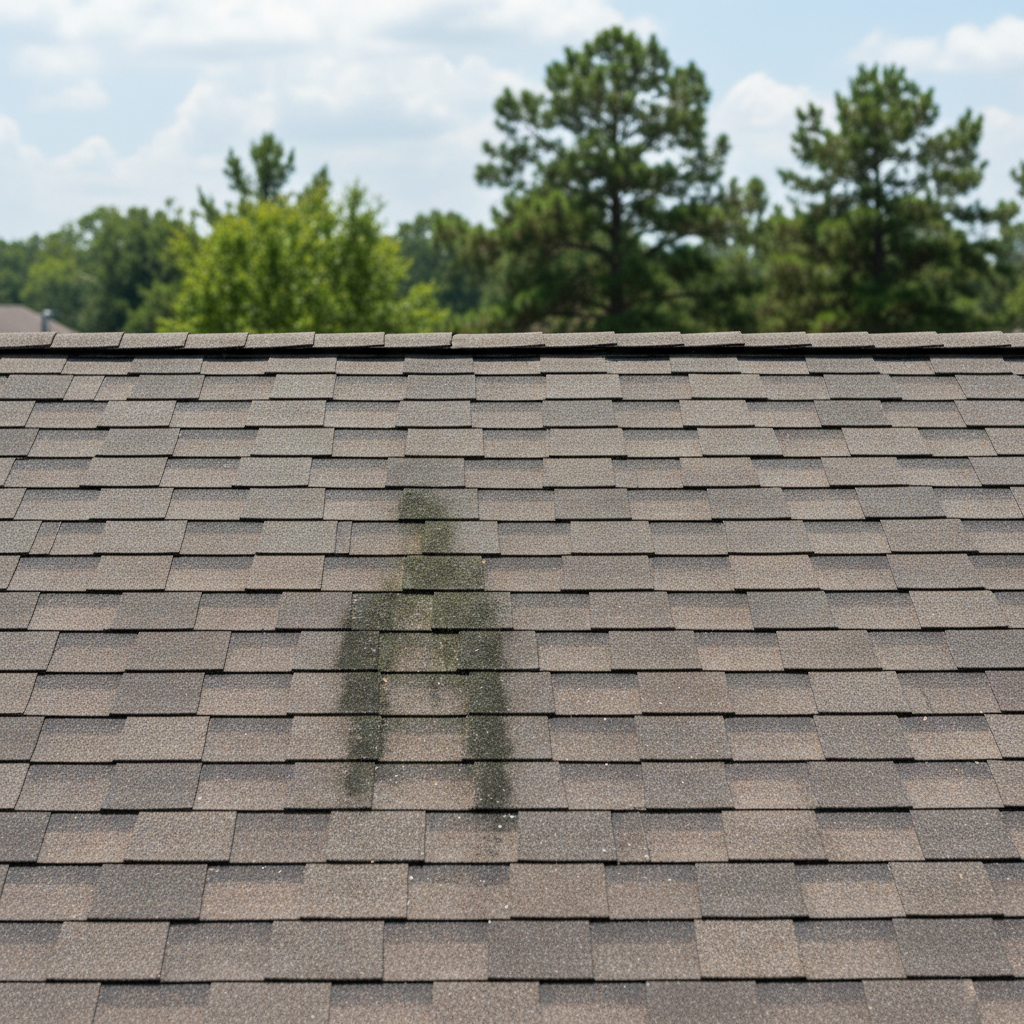
If you own a home in East Texas, your roof works harder than most people realize. From summer heat that tops 100°F to sudden hailstorms rolling through the Piney Woods, the region throws a little bit of everything at your shingles. Understanding what that weather actually does — and catching problems early — is the difference between a routine maintenance call and a full roof replacement.
This guide walks you through the specific weather conditions East Texas homeowners deal with, what each one does to your roof, and how a professional roof inspection keeps you ahead of the damage.
The East Texas Climate Challenge
East Texas sits in a unique weather corridor. It combines:
- Persistent high humidity from the Gulf of Mexico
- Extreme summer heat with UV exposure that rarely lets up from May through September
- Freeze-thaw cycles in winter that are infrequent but sharp
- Severe thunderstorms and hail that can arrive with little warning, spring through fall
- Heavy pine tree canopy that drops needles, sap, and debris directly onto rooflines
Each one of these factors degrades roofing materials over time — and they often work together to accelerate wear. The sibling article on how humidity and heat in East Texas shorten your roof's lifespan goes deeper on the thermal and moisture side of this equation.
What Humidity Does to Your Shingles
High humidity is East Texas's most constant roofing threat. When moisture works under loose shingles or into small cracks, it creates the perfect environment for:
- Mold and algae growth — those dark streaks you see running down roofs are almost always algae, and they hold moisture against the shingle surface
- Wood deck rot — the decking beneath your shingles can soften and fail when moisture reaches it repeatedly over years
- Granule loss — shingles lose the protective granule layer faster when they stay damp
If your roof has overhanging trees (common in Tyler, Longview, Nacogdoches, and surrounding areas), trapped debris worsens moisture retention significantly. It's one of the reasons East Texas homeowners often miss subtle spring warning signs until the damage is already expensive.
What Heat and UV Exposure Do
East Texas summers are long and intense. Prolonged UV exposure:
- Dries out and cracks asphalt shingles, making them brittle over time
- Causes thermal expansion and contraction that loosens fasteners and seals
- Fades and degrades protective granules that reflect heat and protect the asphalt base
A roof that looks fine from the curb can have significant UV degradation that only a close-up inspection reveals. That's one reason the 5 warning signs your roof needs attention often go unnoticed until something fails.
What Hail and Storms Do
East Texas sees more than its share of severe weather. Hail — even small hail — creates micro-fractures and knocks granules loose in patterns that are hard to see from the ground. Over time, those impact points become entry points for water.
After a major storm, the damage isn't always obvious immediately. A professional inspection can document:
- Impact craters on shingles
- Bruising under the granule layer
- Damaged flashing around vents and chimneys
- Lifted or displaced shingles
For a detailed breakdown of what to document after severe weather, the Texas storm-season roof maintenance checklist is a helpful companion resource.
The Pine Tree Problem
Unique to the Piney Woods region, pine needles and debris create a hazard most homeowners overlook. Accumulated needles:
- Trap moisture against shingles and in valleys
- Create acidic buildup from decomposing organic matter that accelerates granule loss
- Block gutters and drainage, which pushes water back under shingle edges
If your home sits under a significant tree canopy — as many homes in Nacogdoches, Lufkin, and Longview do — a twice-yearly roof inspection is a reasonable standard.
Why a Professional Inspection Beats a Visual Checkup
Climbing your own roof is dangerous, and most damage isn't visible from the ground or a ladder. A professional roof inspection covers:
- Shingle condition (granule loss, cracking, curling)
- Flashing integrity around chimneys, vents, and skylights
- Ridge and valley condition
- Soffit, fascia, and gutter function
- Signs of moisture intrusion or deck damage
For homeowners who aren't sure what frequency makes sense, how often you should get your roof inspected covers that question clearly.
If you're thinking about hiring someone in the area, what to look for when hiring a roof inspector in Tyler or Longview gives you a practical checklist.
Tracking Your Roof's Health Over Time
A single inspection is valuable, but a trend is more valuable. Knowing your roof scored well three years ago and now shows a notable decline tells you something a one-time snapshot can't.
That's the core idea behind the RoofIQ Score — a simple 0–100 number generated from a professional inspection that you can track year over year, share with a buyer, or reference during a refinance or insurance conversation. Instead of a 40-page PDF that ends up in a drawer, you get a clear score and a record that builds over time.
If you're curious about how that score is built and what it actually measures, what a roof health score means and why it beats a 40-page PDF explains it in plain terms.
For homeowners thinking about resale, a documented inspection history also gives buyers confidence. How a strong RoofIQ score boosts your home's resale value covers how that plays out in a real transaction.
The Bottom Line for East Texas Homeowners
Your roof takes a beating in this region. Heat, humidity, hail, pine debris, and sudden freezes all chip away at it — sometimes in ways you won't notice until you have a leak or an insurance claim. Annual professional inspections, combined with a tracked score over time, put you in control of that process before it becomes a costly surprise.
Ready to know where your roof actually stands? Full Armor HomeIQ connects East Texas homeowners with vetted local inspection companies, turns the results into a clear RoofIQ Score, and keeps your report secure and shareable whenever you need it. Get your RoofIQ Score today and take the guesswork out of roof maintenance.
Frequently Asked Questions
Written by Full Armor HomeIQ Team
The Full Armor HomeIQ team helps homeowners understand and track their home's condition — starting with the roof.
Get Your RoofIQ Score
Contact Full Armor HomeIQ for a free inspection and consultation.
Get a Free Quote