East Texas Roof Inspection Guide: What Our Weather Does to Your Shingles
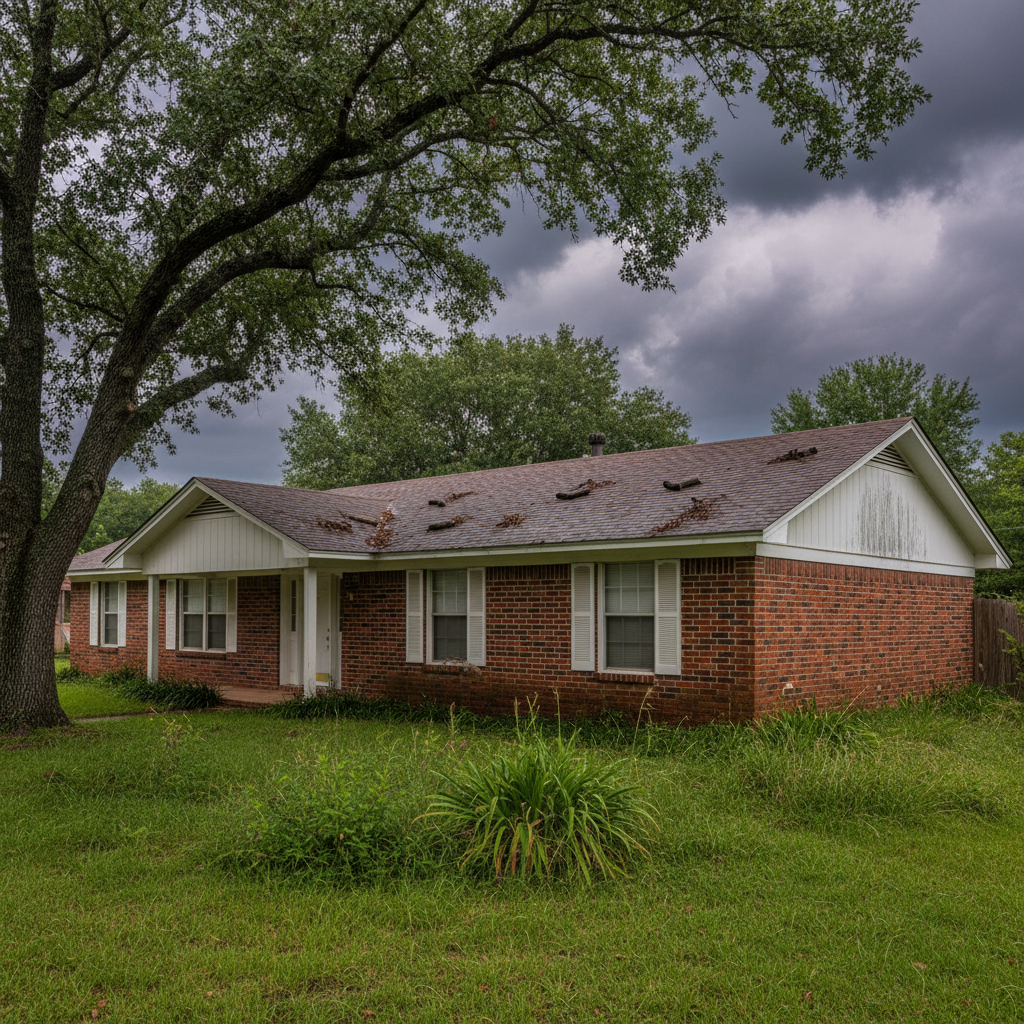
East Texas is a beautiful place to live — but it is not easy on your roof. Between the summer heat, high humidity, Gulf-driven storms, and the occasional ice event in winter, your shingles take a beating that most homeowners never fully see until something goes seriously wrong.
This guide walks you through exactly what our regional weather does to your roof over time, what to watch for, and how a professional roof inspection in East Texas can help you stay ahead of costly surprises.
Why East Texas Weather Is Uniquely Hard on Roofs
Not all roofing climates are created equal. The Pacific Northwest deals with moss and moisture. The desert Southwest faces intense UV exposure. East Texas? We get almost all of it at once.
Here's what our climate throws at your shingles on a regular basis:
- High humidity — East Texas regularly sees humidity levels above 80%, especially from late spring through early fall. Moisture trapped under and around shingles accelerates the breakdown of roofing materials and creates conditions where mold, algae, and wood rot can take hold.
- Intense summer heat — Sustained temperatures in the 90s and 100s cause asphalt shingles to expand and contract repeatedly. Over years, this thermal cycling loosens granules, dries out the asphalt layer, and can cause shingles to curl or crack.
- Severe thunderstorms — The Piney Woods and surrounding areas see frequent convective storms, especially in spring and fall. High winds can lift or crack shingles, while hail — even small hail — can knock granules loose and leave micro-fractures that worsen over time. For a deeper look, see How Texas Hail and Storms Damage Your Roof Over Time.
- Heavy rainfall — When a slow-moving storm system stalls over East Texas, rainfall totals can be significant. Poor drainage, clogged gutters, or even minor shingle gaps can funnel that water into your attic or wall cavities.
- Winter ice and freeze events — Though less frequent, ice storms do reach East Texas. When water freezes in small cracks or under shingles, it expands and widens those gaps — a process called ice damming that can cause leaks once the thaw arrives.
What This Means for Your Shingles, Year by Year
Damage from East Texas weather rarely shows up as one dramatic failure. It builds gradually. A storm knocks some granules loose. A hot summer dries out the shingles underneath. The next rain finds a seam that wasn't watertight anymore.
By the time you notice a water stain on your ceiling or spot a missing shingle from the driveway, the underlying damage has often been developing for one to three years.
That's why regular roof inspections aren't just for when something looks wrong — they're how you catch the slow-moving problems before they become expensive ones. Learn about the warning signs that are easy to miss so you know what to look for between professional visits.
What a Professional Roof Inspection Covers
A qualified roof inspector in East Texas should examine far more than just the surface of your shingles. A thorough inspection includes:
- Shingle condition — granule loss, curling, cracking, missing tabs
- Flashing integrity — around chimneys, vents, skylights, and valleys
- Gutters and drainage — blockages, improper slope, damage that affects water flow off the roof
- Soffit and fascia — signs of moisture intrusion or rot at the roofline
- Attic ventilation — poor airflow accelerates heat damage and can indicate hidden moisture problems
- Storm-related damage — hail strikes, wind-lifted sections, impact damage to vents or ridge caps
For a full breakdown of what goes into a professional roof inspection, visit What Does a Professional Roof Inspection Actually Include?
How Often Should East Texas Homeowners Inspect Their Roof?
A general best practice is at least once a year, plus after any significant storm. In East Texas, where storm season overlaps with our hottest, most humid months, that often means scheduling a post-spring-storm inspection and another in the fall before winter weather arrives.
If your roof is over 10 years old, you may want to inspect more frequently. For a complete answer to this question, see How Often Should You Get a Roof Inspection? A Texas Homeowner's Guide.
The Problem With Traditional Inspection Reports
Many homeowners who do get a roof inspection end up with a thick PDF they don't fully understand — full of technical terms, photo grids, and line-item notes that don't clearly answer the one question that matters most: Is my roof okay or not?
That's exactly the gap Full Armor HomeIQ's RoofIQ Score is designed to fill. After a professional inspection, your roof's condition is translated into a simple 0–100 score with a plain-language summary — so you know exactly where you stand and what (if anything) needs attention.
Better yet, your score is tracked over time. So if your roof scores an 82 this year and a 74 next year, you can see that trend clearly and act before a small decline becomes a costly repair. Learn more about how the RoofIQ Score is calculated.
And when it's time to sell your home or file a claim, you have a clean, shareable report ready to go — not a folder of paperwork you have to dig through. See how that can make a difference: Selling Your Home in Texas? Here's How a Shareable Roof Condition Report Can Speed Up Closing.
Finding a Trustworthy Inspector in East Texas
Not every roofing company offers the same level of thoroughness or transparency. When you're looking for a roof inspection in Longview, Tyler, Nacogdoches, or anywhere across East Texas, it helps to work with inspectors who deliver consistent, standardized reports — not just a verbal assessment or a one-page estimate.
Full Armor HomeIQ connects homeowners with vetted local inspection companies and handles the scheduling for you. You get a qualified professional, a clear RoofIQ Score, and a report you can actually use. Read our guide to finding a trustworthy roofing inspector in East Texas.
Stay Ahead of What East Texas Weather Throws at Your Roof
East Texas weather will keep doing what it does — hot summers, humid springs, stormy falls, and the occasional icy winter. The difference between a homeowner who's caught off guard and one who isn't usually comes down to one thing: knowing the condition of their roof before a problem forces the issue.
A professional roof inspection, translated into a clear RoofIQ Score and tracked year over year, gives you that knowledge. Get your RoofIQ Score today and find out exactly where your roof stands — before East Texas weather decides for you.
Frequently Asked Questions
Written by Full Armor HomeIQ Team
The Full Armor HomeIQ team helps homeowners understand and track their home's condition — starting with the roof.
Get Your RoofIQ Score
Contact Full Armor HomeIQ for a free inspection and consultation.
Get a Free Quote