
East Texas Roof Inspection Guide: What Our Weather Does to Your Shingles
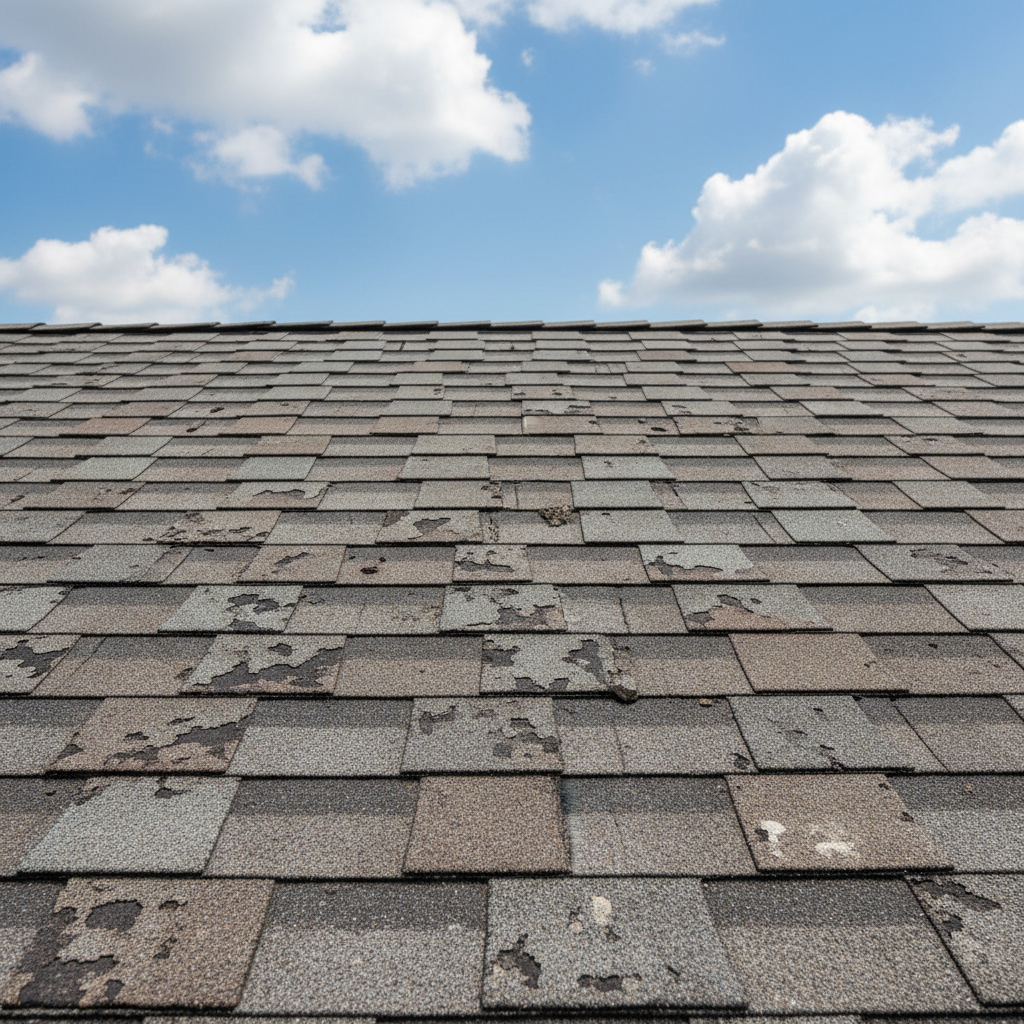
If you've lived in East Texas long enough, you already know the weather doesn't play nice. We get sweltering summers, surprise hailstorms, weeks of humidity that feel like a warm wet blanket, and occasional ice events that catch everyone off guard. What most homeowners don't realize is how much all of that combines to quietly age a roof — long before there's a visible leak or a missing shingle.
This guide walks you through exactly what East Texas weather does to your roof, why regular inspections matter more here than in milder climates, and how to stay ahead of expensive surprises.
Why East Texas Is Especially Hard on Roofs
East Texas sits in a unique weather zone. We're far enough inland to get intense summer heat but close enough to Gulf moisture to deal with high humidity almost year-round. On top of that, we're squarely in the southern storm corridor — meaning hail, high winds, and heavy rain are regular visitors.
That combination is harder on shingles than any single weather event alone. Here's how each factor plays a role:
Summer Heat and UV Exposure
East Texas summers regularly push into the mid-to-upper 90s, and rooftop temperatures can run 40–60°F hotter than the air temperature. Over time, that intense heat causes asphalt shingles to dry out, crack, and lose the granules that protect them from UV rays. Once granule loss starts, the aging process speeds up significantly.
You might not see the damage from the ground, but a professional inspection can catch early granule loss before it turns into a bigger problem.
Humidity and Moisture Cycling
Humidity is a slow, quiet enemy. When moisture repeatedly works its way under shingles or into decking — and then dries out — it causes materials to expand and contract. Over years, that cycling weakens the adhesive strips that hold shingles in place and can encourage mold or wood rot in the decking beneath.
For a deeper look at how humidity and heat specifically shorten roof lifespan in this region, this fits into a broader pattern worth understanding before your next inspection.
Hail and Wind Damage
East Texas gets its share of spring and early summer hailstorms. Even small hail — the kind that seems harmless — can knock granules loose, crack shingle surfaces, or create micro-fractures that aren't visible without a trained eye. High winds compound this by lifting shingle edges and breaking the adhesive seal.
The tricky part? That damage often doesn't show up as a leak right away. It can take months or even a full season before the compromised shingles fail. That's exactly why inspecting your roof after every major storm is so important — and why we also put together a look at how Texas hail and storms damage your roof over time.
Winter Ice and Freeze Events
East Texas doesn't get harsh winters every year, but when we do get ice or freezing temperatures, roofs take a hit. Water that's gotten under shingles or into small cracks can freeze, expand, and widen those gaps — a process called freeze-thaw cycling. After a freeze event, it's smart to do at least a visual check from the ground and look for warning signs your roof needs attention.
What a Professional Roof Inspection Actually Looks For
A drive-by glance or a quick look from a ladder isn't the same as a professional inspection. A qualified inspector checks for:
- Granule loss in gutters and on shingle surfaces
- Cracked, curling, or missing shingles
- Damaged flashing around chimneys, vents, and valleys
- Soft spots or sagging that could indicate decking problems
- Sealant and adhesive integrity along edges and ridge caps
- Gutter condition and whether water is draining properly
If any of this sounds like a lot to track and remember, you're not alone. That's part of why a clear, consistent record matters so much over time.
Why One Inspection Isn't Enough — Tracking Matters
A single inspection gives you a snapshot. What it can't show you is whether your roof is holding steady, slowly declining, or deteriorating faster than expected. That trend over time is often more valuable than any single report.
This is the idea behind a RoofIQ Score — a simple 0–100 number that reflects your roof's current condition based on a professional inspection, tracked over time so you can see the trend, not just the moment. If you've ever stared at a 40-page inspection PDF and felt more confused than informed, there's a better way.
And if you're thinking about selling your home or refinancing, having a documented roof condition history can make a real difference — learn more about how a shareable roof condition report can speed up closing.
How Often Should East Texas Homeowners Inspect?
For most East Texas homes, a professional inspection once a year is a solid baseline — more often if you've had a major storm, your roof is over 10 years old, or you've noticed any warning signs. You can also read our full guidance on inspection frequency to help you decide what makes sense for your situation.
If you're not sure where to start, our Texas storm-season roof maintenance checklist is a good companion resource.
Finding a Trustworthy Inspector in East Texas
One of the biggest frustrations homeowners share is not knowing who to trust. Full Armor HomeIQ connects homeowners in the Longview, Tyler, Nacogdoches, and greater East Texas area with vetted local inspection professionals — and handles the scheduling so you don't have to chase anyone down. Every inspection feeds into your RoofIQ Score and a secure, shareable report you can actually use.
East Texas weather isn't going to get gentler. But staying ahead of what it does to your roof doesn't have to be complicated.
Ready to know exactly where your roof stands? Get your RoofIQ Score today — a professional inspection turned into a simple number, tracked over time, and ready to share whenever you need it.
Frequently Asked Questions
Written by Full Armor HomeIQ Team
The Full Armor HomeIQ team helps homeowners understand and track their home's condition — starting with the roof.
Get Your RoofIQ Score
Contact Full Armor HomeIQ for a free inspection and consultation.
Get a Free Quote