What Does a Professional Roof Inspection Actually Include?
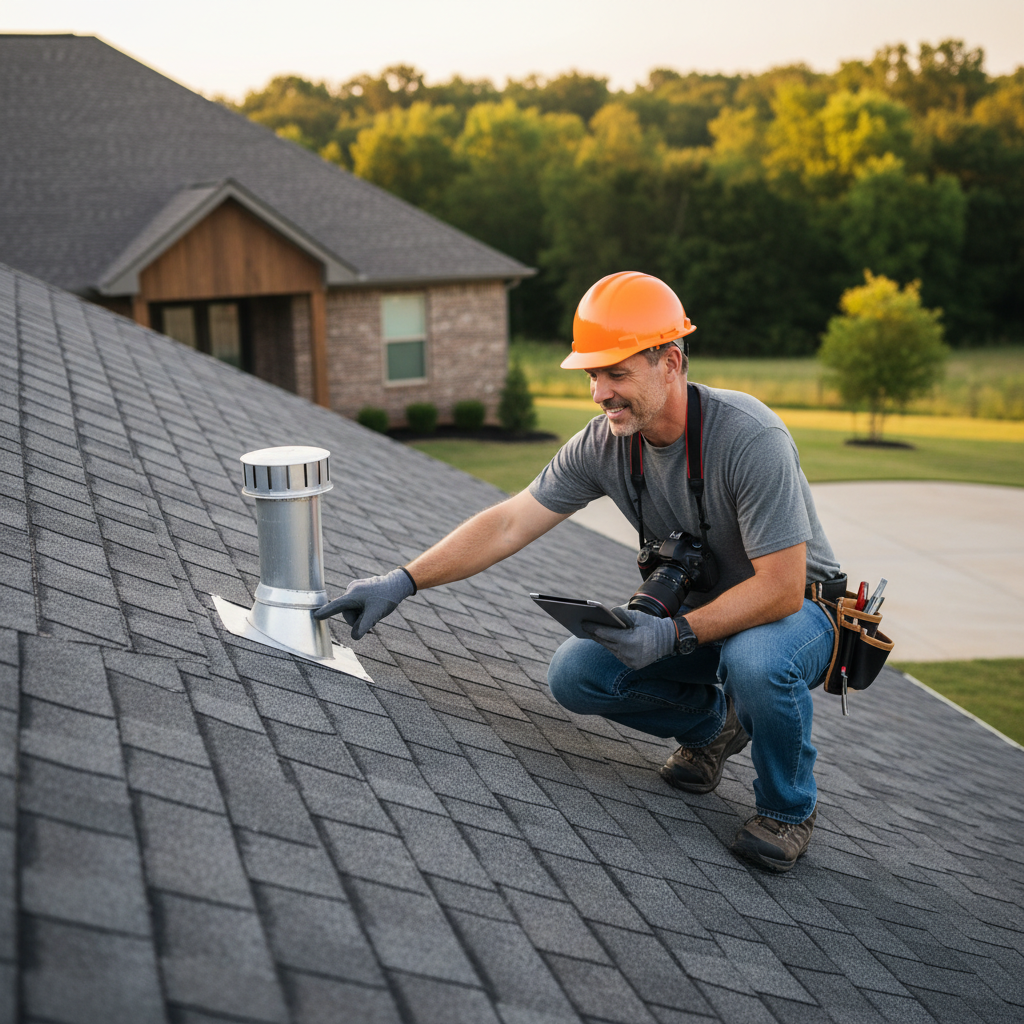
If you've never watched a roof inspector work, you might assume they just climb up, take a look around, and hand you a piece of paper. In reality, a thorough professional roof inspection is a methodical, top-to-bottom evaluation of everything that keeps water out of your home. Knowing what's included helps you understand the value of the process — and what to expect when you schedule one.
The Goal: A Complete Picture of Your Roof's Condition
A professional roof inspection isn't just about spotting obvious damage. It's about understanding the current condition of every component, identifying early warning signs before they become expensive repairs, and giving you a reliable record you can act on.
That last part — the record — is where many traditional inspections fall short. A thorough inspection only helps if the results are clear and usable. That's something we'll come back to.
What a Professional Roof Inspector Actually Checks
1. Roofing Materials (Shingles, Tiles, or Metal)
This is where most people expect the inspection to begin and end — but it's just one piece. The inspector examines:
- Shingle condition — curling, cracking, blistering, or missing granules
- Missing or displaced shingles — gaps that allow moisture to enter
- Age-related wear — signs that materials are nearing the end of their useful life
- Hail or impact damage — especially important in Texas, where severe storms are common
If you're wondering what storm-related damage actually looks like over time, our guide on how Texas hail and storms damage your roof over time goes deeper on this.
2. Flashing and Seals
Flashing is the metal or sealant material installed around chimneys, vents, skylights, and roof edges. It's one of the most common sources of leaks when it fails. Inspectors look for:
- Rust, corrosion, or separation
- Cracked or dried-out sealant
- Improper installation that lets water sneak underneath
3. Gutters and Drainage
Water has to go somewhere. If gutters are clogged, sagging, or pulling away from the fascia, they can redirect water into places it shouldn't go. An inspector checks:
- Gutter attachment and condition
- Downspout placement and flow
- Signs of pooling or improper drainage at the roofline
4. Soffit, Fascia, and Eaves
These are the areas where your roof meets your home's exterior walls. Rot, pest damage, or moisture intrusion here can signal a bigger problem underneath. Inspectors look for soft spots, discoloration, and signs of water damage.
5. Roof Penetrations
Anywhere something passes through your roof — plumbing vents, HVAC components, satellite mounts — is a potential entry point for water. Inspectors verify that boots and collars around penetrations are sealed and in good shape.
6. Attic and Interior Indicators (When Accessible)
Some of the most telling signs of roof trouble show up inside the home, not outside. When attic access is available, inspectors may check for:
- Water stains or dark spots on decking
- Signs of mold or mildew
- Adequate ventilation (poor airflow can shorten a roof's lifespan significantly)
- Sagging or soft decking that suggests structural concern
7. Overall Structural Integrity
Beyond individual components, an experienced inspector steps back and evaluates the roof as a whole — looking for sagging ridgelines, uneven surfaces, or areas where the structure may be under stress.
What You Should Receive After a Roof Inspection
This is where the experience varies widely. Some homeowners walk away with a detailed PDF full of technical language and photos they're not sure how to interpret. Others get a quick verbal summary and a vague recommendation.
Neither of those is especially useful when you're trying to make a decision — whether that's planning a repair, selling your home, or filing a claim after a storm.
A good inspection result should answer three simple questions:
- What condition is my roof in right now?
- What specific issues need attention?
- How does this compare to before?
That third question is one that most traditional reports can't answer — because there's no previous inspection on file to compare against. This is exactly the problem that a roof health score is designed to solve. A single 0–100 score gives you an at-a-glance understanding of your roof's condition, and tracking it over time lets you see whether things are holding steady or gradually declining.
If you're curious about what that score means in practice, What Does a Roof Health Score Actually Mean is worth a read.
Why Location Matters for Roof Inspections in Texas
Not every roof faces the same challenges. In East Texas — areas like Longview, Tyler, and Nacogdoches — roofs deal with high humidity, heavy rainfall, and occasional severe storms. What an inspector flags in a dry climate might be a minor note; in this region, it could be an urgent repair.
Working with someone who understands local conditions matters. If you're not sure where to start, our guide on how to find a trustworthy roofing inspector in East Texas walks through what to look for.
A Few Things a Roof Inspection Is Not
It's worth being clear about what falls outside the scope of a standard inspection:
- It is not a repair estimate (see: Roof Inspection vs. Roof Estimate)
- It is not a guarantee of future performance
- It is not a substitute for professional insurance or legal advice
An inspection gives you an accurate, honest picture of current conditions. What you do with that information is up to you — but having it puts you in a much stronger position.
Ready to Know Where Your Roof Really Stands?
A professional roof inspection is one of the most straightforward investments a homeowner can make — especially before a Texas storm season hits. Full Armor HomeIQ connects you with vetted local inspection professionals and turns their findings into a clear, trackable RoofIQ Score you can actually use. No confusing PDFs. No guesswork.
Get your RoofIQ Score today and know exactly what condition your roof is in.
Frequently Asked Questions
Written by Full Armor HomeIQ Team
The Full Armor HomeIQ team helps homeowners understand and track their home's condition — starting with the roof.
Get Your RoofIQ Score
Contact Full Armor HomeIQ for a free inspection and consultation.
Get a Free Quote