What Does a Professional Roof Inspection Actually Include?
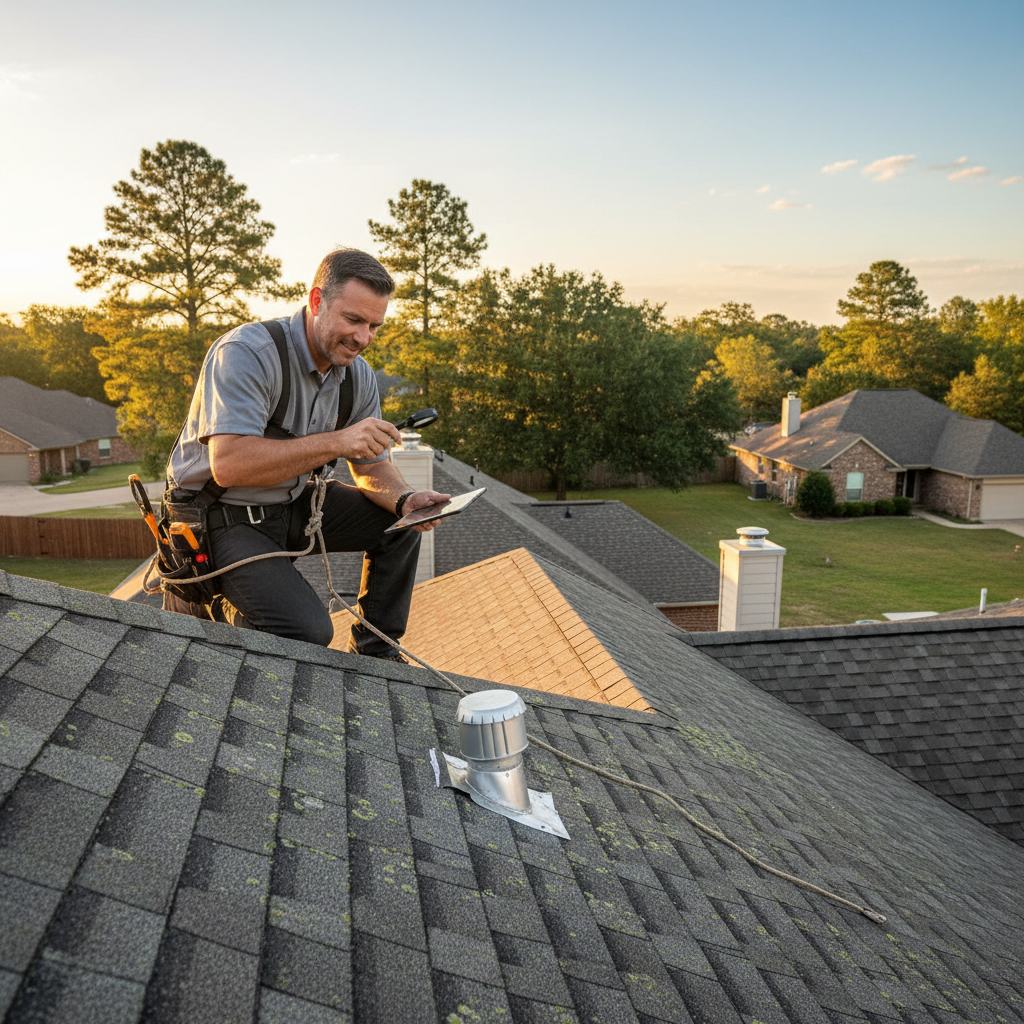
If you've never had a professional roof inspection, you might picture someone glancing at your shingles from the driveway and handing you a bill. The reality is quite different — and a lot more valuable.
A thorough roof inspection is a systematic, component-by-component evaluation of your entire roofing system. Knowing what's included helps you understand why it matters, what to expect on inspection day, and how to make sense of what you receive afterward.
Why a Professional Inspection Is Worth It
Your roof is one of the most expensive parts of your home to repair or replace. The problem is that most roof damage is invisible from the ground — and by the time you notice a leak inside, the underlying damage has often been building for months or years.
A professional inspection finds issues early, when they're still small and affordable to address. It also gives you documented proof of your roof's condition — useful for selling, refinancing, or working through an insurance claim.
If you're curious about how Texas weather accelerates roof wear, our article on how Texas hail and storms damage your roof over time is a good place to start.
What a Professional Roof Inspection Actually Covers
Every inspector has their own process, but a complete professional roof inspection typically covers all of the following areas:
1. Shingles and Surface Materials
This is the most visible part of the inspection. The inspector looks for:
- Missing, cracked, curling, or blistering shingles
- Granule loss (the gritty coating that protects shingles from UV damage)
- Wind or hail impact patterns
- Uneven wear across different sections of the roof
Granule loss, in particular, is easy to miss on your own but a strong early indicator of shingle aging.
2. Flashing and Seals
Flashing is the thin metal material that seals transitions — around chimneys, skylights, vents, and where the roof meets a wall. It's one of the most common sources of leaks.
Inspectors check for:
- Lifted, cracked, or corroded flashing
- Failed caulk or sealant
- Gaps where water can enter
3. Gutters and Drainage
Proper drainage protects your roof, your fascia, and your foundation. Inspectors look at:
- Gutter attachment and slope
- Blockages or standing water
- Granule buildup (a sign of shingle wear)
- Downspout condition and direction of flow
4. Roof Penetrations
Anywhere something passes through your roof — plumbing vents, HVAC equipment, exhaust pipes — is a potential entry point for water. The inspector checks that all penetrations are properly sealed and that the surrounding material is intact.
5. Attic Ventilation and Structure (When Accessible)
Roof health isn't just about what's on top. Inadequate attic ventilation can cause heat and moisture buildup that degrades shingles from the inside out. When the attic is accessible, a thorough inspection may include:
- Ridge and soffit ventilation
- Signs of moisture, mold, or condensation
- Visible decking (the wood underneath the shingles) for soft spots or rot
6. Overall Age and Wear Assessment
A good inspector synthesizes everything they observe into an overall picture of the roof's condition and remaining useful life. This is where you go from a list of items to an actual understanding of where your roof stands.
This is also exactly what Full Armor HomeIQ's RoofIQ score is built around — taking all of those observed data points and turning them into a single, easy-to-read number between 0 and 100.
What You Should Receive After the Inspection
The inspection itself is only half the value. The report matters just as much.
A useful roof inspection report should:
- Clearly explain what was found in plain language
- Include photos of specific issues
- Prioritize findings so you know what needs attention now versus later
- Be easy to share with a contractor, lender, or buyer
Unfortunately, many homeowners receive dense, jargon-heavy PDF documents that end up in a drawer and never get acted on. If that sounds familiar, our article on what a roof health score means and why it beats a 40-page inspection PDF explains a better approach.
How East Texas Homes Have Unique Considerations
For homeowners in East Texas — including Longview, Tyler, Nacogdoches, and surrounding areas — a professional roof inspection needs to account for the regional climate. High humidity, heavy spring rains, and periodic hail make roofs here work harder than in many other parts of the country.
That's why it's important to work with an inspector who understands local conditions, not just general roofing principles. Our guide on how to find a trustworthy roofing inspector in East Texas walks you through what to look for.
And if you want to stay ahead of storm season, the Texas storm-season roof maintenance checklist is a practical companion resource.
How Often Should You Schedule One?
Most roofing professionals recommend an inspection every one to two years, and always after a significant storm. Texas weather makes that second point especially important. You can read more in our full guide on how often you should get a roof inspection as a Texas homeowner.
Tracking inspections over time also builds a documented maintenance history — something that pays off when you're selling your home or working through an insurance situation.
Turn Your Inspection Into a Score You Can Track
Knowing what's in a professional roof inspection is the first step. The next step is making sure the results are clear, saved, and useful over time.
Full Armor HomeIQ connects you with vetted local inspection professionals across Texas and turns their findings into a simple RoofIQ score — a number you can track year over year, share securely, and actually understand.
Ready to know where your roof really stands? Get your RoofIQ Score today and stop guessing about one of your home's most important systems.
Frequently Asked Questions
Written by Full Armor HomeIQ Team
The Full Armor HomeIQ team helps homeowners understand and track their home's condition — starting with the roof.
Get Your RoofIQ Score
Contact Full Armor HomeIQ for a free inspection and consultation.
Get a Free Quote