What Does a Professional Roof Inspection Actually Include?
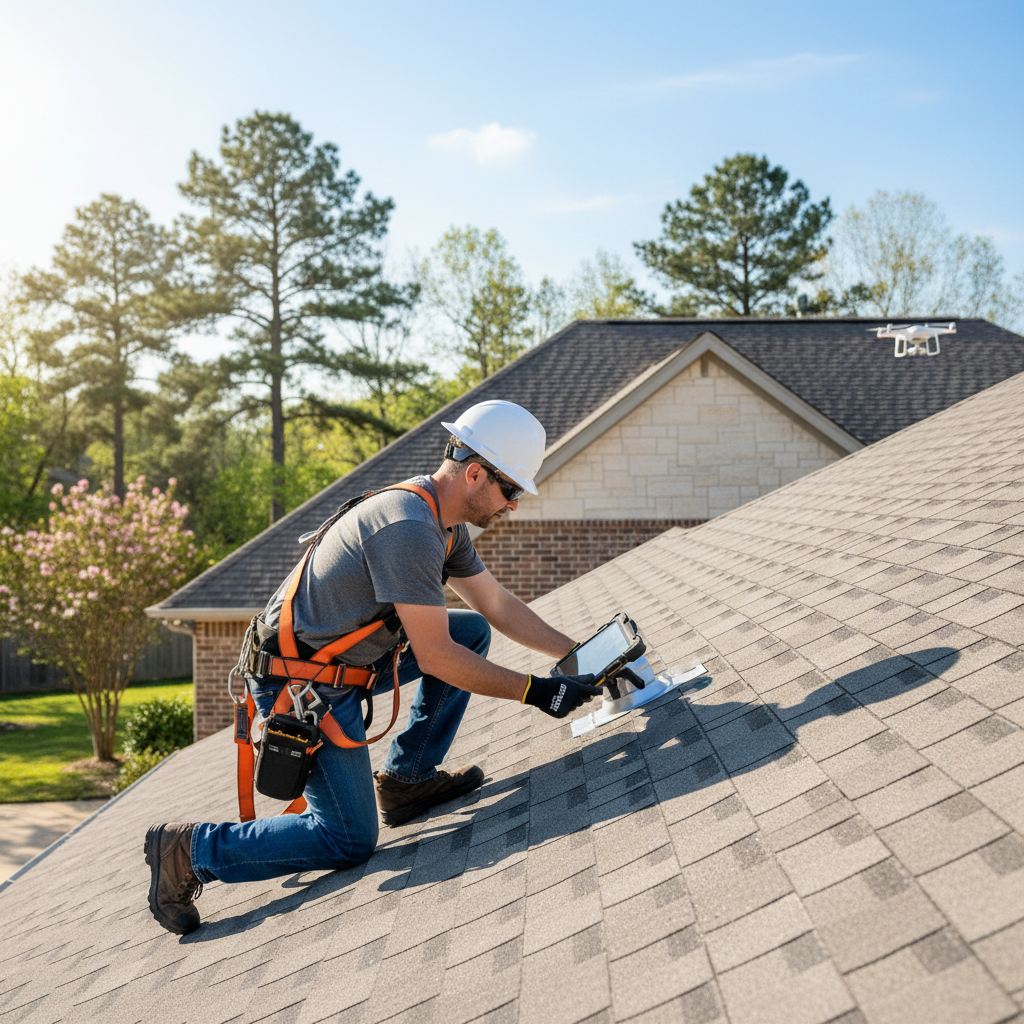
If you've never scheduled a professional roof inspection, it's easy to picture an inspector climbing up, taking a look around, and handing you a vague thumbs-up or thumbs-down. The reality is much more thorough — and much more useful — than that.
Understanding what actually happens during an inspection helps you know what you're paying for, what questions to ask, and how to make sense of the results you receive.
The Short Answer: A Professional Inspection Covers Every Major System on Your Roof
A qualified inspector doesn't just look for missing shingles. They evaluate the entire roofing system — from the outer surface down to the structural components you can't see from the ground. Here's what a professional roof inspection typically includes.
1. Exterior Roof Surface
This is where most people assume the inspection begins and ends. In reality, a thorough exterior evaluation covers:
- Shingles or roofing material — checking for cracking, curling, buckling, blistering, or granule loss
- Age and wear patterns — identifying areas of accelerated weathering
- Storm and hail damage — looking for impact marks, bruising, or soft spots (especially relevant after Texas hail seasons — see how Texas hail and storms damage your roof over time)
- Moss, algae, or debris buildup — which can trap moisture and accelerate deterioration
Even subtle surface findings matter. Granule loss, for example, may not look dramatic but can signal that shingles are nearing the end of their protective life.
2. Flashing and Penetrations
Flashing is the metal material that seals the joints where your roof meets walls, chimneys, vents, and skylights. It's one of the most common places for leaks to develop.
An inspector will check:
- Chimney and pipe flashing for rust, gaps, or improper sealing
- Step and counter flashing along walls and dormers
- Valley flashing where roof planes meet
- Condition of sealants and caulking around penetrations
Problems here are often invisible from the ground — which is exactly why a professional inspection matters.
3. Gutters and Drainage
Your gutters are part of your roofing system. A good inspector will evaluate:
- Whether gutters are properly attached and sloped
- Signs of granule buildup (a sign of shingle wear)
- Blockages or damage that could cause water to back up under the eaves
- Fascia and soffit condition around the gutter line
Poor drainage can quietly cause damage over months and years — well before you notice a water stain on your ceiling.
4. Roof Deck and Structural Components
Where safe and accessible, inspectors will assess the structural integrity of the roof:
- Decking condition — looking for soft spots, sagging, or signs of rot
- Rafters and trusses — checking for damage or deflection in attic spaces
- Overall roof plane — identifying uneven areas that may indicate underlying issues
Structural concerns are among the most serious findings, and catching them early is far less expensive than addressing them after water damage has set in.
5. Attic and Ventilation
Many roof problems actually start from the inside. Inspectors who include an attic evaluation will check:
- Ventilation adequacy — poor airflow causes heat and moisture buildup that degrades shingles from below
- Signs of water intrusion or staining
- Insulation condition
- Evidence of pests or mold
This step is often overlooked in a cursory inspection, but it can reveal problems that no exterior look would catch.
6. Skylights, Chimneys, and Other Features
Any feature that breaks through the roof surface gets individual attention:
- Skylight frames and seals
- Chimney crown, cap, and mortar condition
- Pipe collars and boot seals
- HVAC or solar equipment mounts
These are high-risk zones for leaks and deserve more than a passing glance.
What You Should Receive After the Inspection
A professional roof inspection should produce a clear, documented report — not just a verbal summary. Look for findings that are:
- Organized by component so you know where issues exist
- Supported by photos taken during the inspection
- Prioritized by severity so you know what's urgent versus what to monitor
If your inspector uses the Full Armor HomeIQ platform, your results are translated into a RoofIQ Score — a single 0–100 number that tells you exactly where your roof stands at a glance. No confusing 40-page PDF. No technical jargon. Just a clear score, a clean report, and a record that's tracked over time.
Learn what a RoofIQ score is and how it's calculated, or read about what a roof health score actually means compared to a traditional inspection report.
Why Documentation Matters as Much as the Inspection Itself
The inspection visit is only half the value. The other half is having a secure, shareable record you can:
- Reference when planning maintenance or repairs
- Share with buyers or their agents during a home sale
- Present during a refinance or insurance review
- Compare year-over-year to spot trends before they become emergencies
If you're thinking about selling, a documented roof condition report can be a genuine advantage — see how a shareable roof condition report can help you sell your home faster.
And if you're not sure how often to schedule an inspection in the first place, this guide for Texas homeowners covers recommended intervals based on your roof type and local weather exposure.
Finding a Qualified Inspector in East Texas
Not every roofing company offers the same depth of inspection. If you're in East Texas — whether in Longview, Tyler, Nacogdoches, or the surrounding area — it's worth taking time to vet your inspector. Here's what to look for when choosing a roofing inspector in East Texas.
Full Armor HomeIQ connects homeowners with vetted local inspection companies and handles the scheduling — so you don't have to sort through reviews and phone calls on your own.
A professional roof inspection is a straightforward investment in knowing exactly where your home stands. Now that you know what's included, the next step is simple. Get your RoofIQ Score today and have a clear, documented picture of your roof's health — one you can understand, track, and share whenever you need it.
Frequently Asked Questions
Written by Full Armor HomeIQ Team
The Full Armor HomeIQ team helps homeowners understand and track their home's condition — starting with the roof.
Get Your RoofIQ Score
Contact Full Armor HomeIQ for a free inspection and consultation.
Get a Free Quote