
How Texas Hail and Storms Damage Your Roof Over Time
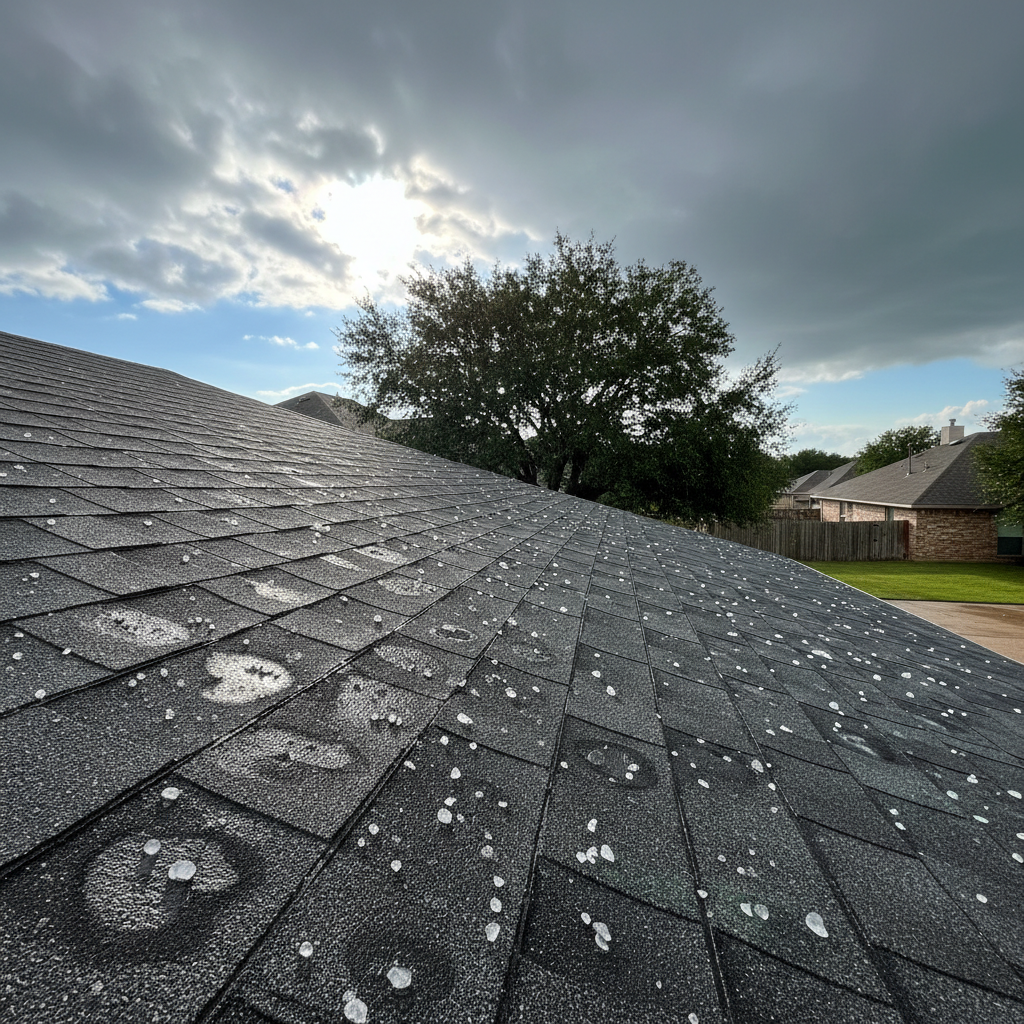
Texas is no stranger to severe weather. From spring hailstorms sweeping across the Piney Woods to summer thunderstorms pounding rooftops in Tyler, Longview, and Nacogdoches, East Texas homeowners face some of the most roof-punishing conditions in the country. What many people don't realize is that storm damage rarely announces itself all at once. It builds quietly — season after season — until a small problem becomes a very expensive one.
The Cumulative Nature of Storm Damage
One hailstorm alone might not cave in your ceiling. But it will bruise your shingles, crack the granule coating, and compromise the protective layer that keeps water out. The next storm finds those weakened spots and pushes a little further. By the time you notice a stain on the drywall, years of incremental damage have already done their work.
This is why tracking your roof's condition over time matters so much. A single inspection snapshot tells you where things stand today. A history of inspections shows you the trend — and trends are where the real story lives.
What Hail Actually Does to Your Shingles
Hail is deceptively destructive. Even stones smaller than a golf ball can:
- Strip granules from asphalt shingles, exposing the underlying mat to UV rays and moisture
- Create soft spots (called bruising) that aren't visible from the ground but accelerate shingle aging
- Crack or split older or brittle shingles outright
- Dent and bend metal flashing around chimneys, vents, and valleys
- Loosen or lift shingle edges, creating gaps where wind-driven rain can enter
Because much of this damage isn't visible without getting on the roof, many Texas homeowners don't know it has happened until months or years later when leaks or interior damage appear. If you're unsure what to watch for, our guide on 5 warning signs your roof needs attention is a good place to start.
How Wind and Rain Compound the Problem
Hail rarely arrives alone. The same storm system typically brings high winds and heavy rain — both of which exploit whatever the hail just weakened.
Wind damage can:
- Lift shingle tabs and break the adhesive seal that holds them flat
- Pull flashing loose from seams and edges
- Drive debris into soft spots, creating small punctures
Rain and moisture then:
- Seep beneath lifted shingles and saturate the decking below
- Feed mold and rot in attic spaces before any visible leak appears
- Freeze and expand in winter, widening existing cracks (yes, even East Texas sees occasional freezing temps)
The result is a roof that looks passable from the street but is quietly deteriorating underneath. This is exactly the kind of hidden damage a professional roof inspection is designed to catch.
East Texas Weather Makes It Worse
East Texas sits in a geographic sweet spot that sees some of the highest storm frequency in the state. The combination of Gulf moisture, warm spring temperatures, and converging weather systems means hail events are common from February through June — and can return in the fall.
Add in the region's notorious humidity (which accelerates granule loss and organic growth on shingles) and prolonged heat (which causes thermal expansion and accelerated aging), and you have conditions that shorten a roof's effective lifespan faster than the manufacturer's rating might suggest.
If you're in Longview, Tyler, or the surrounding areas, learning what to look for when hiring a roof inspector is a practical first step toward staying ahead of this kind of wear.
Why Year-Over-Year Records Change Everything
Most homeowners have no documented history of their roof's condition. When a storm comes through and they need to file a claim or sell the home, they're starting from zero — no baseline, no trend, no proof of maintenance.
Building a year-over-year maintenance history gives you:
- A clear before-and-after record when storm damage occurs
- Documented proof of maintenance that can support your position with insurers
- A trend line that shows whether your roof is holding up well or declining faster than expected
- Confidence when selling — a documented roof history is a real asset to buyers
A strong RoofIQ score with a documented history can even support a faster, smoother home sale. Buyers and their agents notice when a seller can hand over a clean, easy-to-read roof condition record.
What a RoofIQ Score Gives You After a Storm
After a major Texas storm, the last thing you want is a 40-page PDF full of jargon that tells you nothing actionable. That's why Full Armor HomeIQ turns a professional roof inspection into a simple 0–100 RoofIQ score — a single number that tells you exactly where your roof stands, with a plain-language breakdown of what matters and what to watch.
Each score is:
- Generated by a vetted local professional, not an algorithm guessing from satellite imagery
- Stored securely and tracked over time, so you can see your roof's trend across seasons
- Shareable when you need it — for a sale, refinance, or insurance conversation
If your score drops between inspections, you know something changed and you have a record that it did. That kind of documentation is hard to put a price on when it matters most.
Don't Wait for the Ceiling Stain
Texas storms will keep coming. What you can control is how informed and prepared you are when they do. A regular professional roof inspection — especially after significant weather events — is one of the simplest ways to protect one of your biggest investments.
Ready to know exactly where your roof stands? Get your RoofIQ Score and connect with a vetted local inspector in East Texas today.
Frequently Asked Questions
Written by Full Armor HomeIQ Team
The Full Armor HomeIQ team helps homeowners understand and track their home's condition — starting with the roof.
Get Your RoofIQ Score
Contact Full Armor HomeIQ for a free inspection and consultation.
Get a Free Quote