
How Often Should You Get a Roof Inspection? A Texas Homeowner's Guide
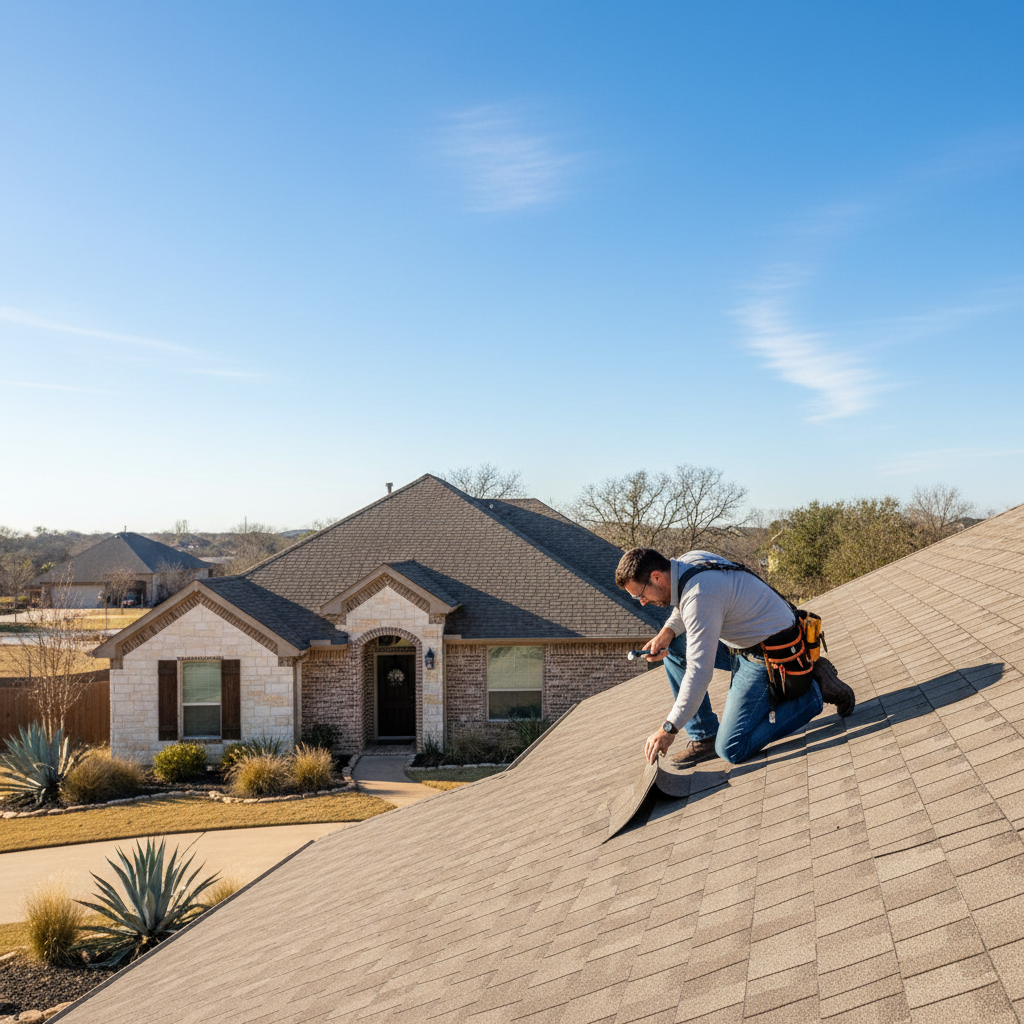
Most homeowners think about their roof twice: when they move in and when something goes wrong. That gap in between is exactly where expensive surprises hide.
If you live in Texas — especially in East Texas, the Dallas area, or anywhere between Tyler and Nacogdoches — your roof takes a beating that homeowners in milder climates simply don't deal with. Knowing how often to schedule a professional roof inspection is one of the simplest ways to protect your home and your budget.
The General Rule: Once a Year, Minimum
Most roofing professionals recommend a professional inspection at least once a year. An annual inspection gives you a consistent baseline, so you can spot changes before they become damage — and damage before it becomes a disaster.
For Texas homeowners, once a year is a starting point, not a ceiling. Depending on your roof's age, recent weather, and local conditions, you may want to inspect more often.
When Texas Weather Changes the Math
Texas weather is not gentle. Hail, high winds, intense UV exposure, and sudden temperature swings put your roof under stress year-round. How Texas hail and storms damage your roof over time is worth understanding — because the damage is often cumulative and invisible from the ground.
Here's when you should schedule an inspection outside your regular annual cycle:
- After any significant hail storm or high-wind event — Even if you don't see obvious damage, a professional can spot bruised shingles, lifted flashing, or granule loss that signals hidden wear.
- Before and after storm season — In East Texas, spring and early fall bring the most active weather. Inspecting before and after gives you a clear picture of what the season cost your roof. Our Texas storm-season roof maintenance checklist walks through what to watch for.
- If your roof is 10 years or older — Older roofs are more vulnerable and deserve closer attention. Annual inspections become especially important.
- Before selling or refinancing your home — A current, professional roof condition report removes uncertainty for buyers and lenders. A shareable roof condition report can even speed up closing.
- If you notice warning signs — Visible granule loss in your gutters, water stains on interior ceilings, or sagging areas are signals that you shouldn't wait for your scheduled inspection. See 5 warning signs your roof needs attention if you're not sure what to look for.
A Simple Inspection Schedule by Roof Age
Newer Roofs (Under 5 Years)
Inspect once a year. New roofs are generally in good shape, but it's worth confirming installation quality and catching any early issues.
Mid-Life Roofs (5–15 Years)
Inspect once a year, with an additional check after any major storm. This is the stage where wear begins to accumulate.
Older Roofs (15+ Years)
Inspect twice a year — once in spring after storm season and once in fall before winter. At this stage, small issues can escalate quickly, and delaying repairs carries a real cost.
Why Regular Inspections Beat Reactive Repairs
The most expensive roof problems are the ones that go undetected. A slow leak can damage insulation, framing, and drywall long before it shows up as a stain on your ceiling. By the time you notice it, you're not just replacing shingles — you may be dealing with mold or structural repairs.
Regular inspections flip that equation. Instead of reacting to damage, you're tracking your roof's condition over time and catching small issues when they're still small.
This is the idea behind the RoofIQ score — a single 0–100 number that reflects your roof's current condition, based on a professional inspection. Instead of sorting through a dense PDF report, you get a clear score you can actually understand, tracked over time so you can see trends at a glance.
How Full Armor HomeIQ Makes This Easier
Scheduling regular inspections is easier said than done when you're not sure who to call or what to expect. Full Armor HomeIQ connects Texas homeowners with vetted local inspection companies — in East Texas, Tyler, Longview, Dallas, and beyond — handles the scheduling, and delivers your results as a clean RoofIQ score and shareable report.
Every inspection builds your home's condition history. So when it's time to sell, refinance, or file a claim, you're not scrambling — you have a documented record that speaks for itself. Learn more about how a strong RoofIQ score supports your home's resale value.
A Quick Reference: Roof Inspection Frequency
| Situation | Recommended Frequency |
|---|---|
| Standard maintenance | Once a year |
| Roof 15+ years old | Twice a year |
| After major storm or hail | As soon as possible |
| Before selling or refinancing | At least 30–60 days before listing |
| After noticing warning signs | Immediately |
The Bottom Line
For most Texas homeowners, once a year is the right cadence — with extra inspections after storms or as your roof ages. The goal isn't to inspect constantly; it's to never be caught off guard.
A roof inspection isn't just a checkbox. When it results in a clear score and a tracked history, it becomes a genuinely useful tool for protecting your home, your finances, and your peace of mind.
Ready to know where your roof stands today? Get your RoofIQ Score and connect with a trusted local inspection company in Texas — no guesswork, no confusing reports, just a clear number and a plan.
Frequently Asked Questions
Written by Full Armor HomeIQ Team
The Full Armor HomeIQ team helps homeowners understand and track their home's condition — starting with the roof.
Get Your RoofIQ Score
Contact Full Armor HomeIQ for a free inspection and consultation.
Get a Free Quote