
Why Tracking Your Home's Condition Over Time Can Save You Thousands
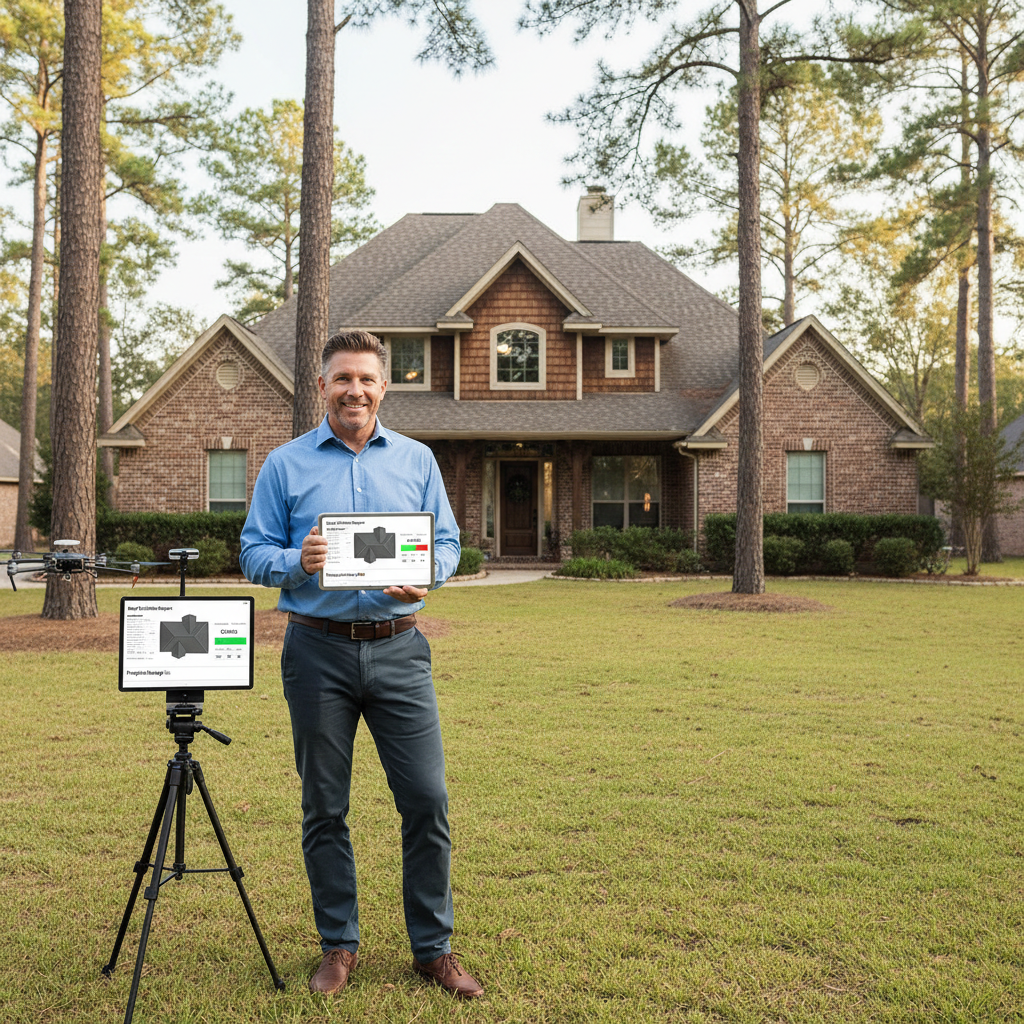
Most homeowners only think about their roof or major systems when something goes wrong — a leak appears, a storm passes through, or a buyer's inspector flags an issue right before closing. By that point, a small problem has usually grown into an expensive one.
Tracking your home's condition over time flips that script. Instead of reacting to damage, you stay a step ahead of it.
The Real Cost of "Wait and See"
Minor maintenance issues rarely stay minor. A few missing shingles after a hailstorm, a small area of soft decking, or granule loss that goes unnoticed can quietly escalate over months — especially in a climate like East Texas, where heat, humidity, and storm activity put constant stress on your roof.
When a problem finally becomes visible from the ground or shows up as a ceiling stain, the repair scope is often far larger than it would have been if caught early. Routine professional inspections, combined with a clear record of your home's condition over time, give you the context to act before costs multiply.
What "Tracking Your Home's Condition" Actually Means
It's not just about scheduling an inspection every few years. True condition tracking means:
- Having a documented baseline — knowing what your home looked like in good condition
- Comparing that baseline to follow-up inspections — so you can see what changed and how fast
- Keeping those records in one accessible place — not buried in a folder or lost after a move
- Using a consistent format — so year-over-year comparisons are actually meaningful
A 40-page PDF report from one company and a different format from the next inspector three years later don't give you a usable trend. A consistent score — like the 0–100 RoofIQ score from Full Armor HomeIQ — makes it easy to see at a glance whether your roof's health is stable, improving after repairs, or declining and due for attention.
Curious how that score is calculated? Learn what goes into a RoofIQ score and how it's determined.
Three Ways Condition History Protects Your Wallet
1. Catch Problems While They're Still Small
A professional inspector can identify early-stage wear that's invisible from the ground — thinning granule coverage, minor flashing separation, or soft spots in decking. Addressed early, these are often straightforward fixes. Left alone, they become structural issues or interior water damage. Regular inspections, tracked over time, make it much easier to prioritize what genuinely needs attention versus what can wait.
If you're not sure what to look for between inspections, our guide to five warning signs your roof needs attention is a practical starting point.
2. Negotiate with Confidence When Selling or Refinancing
Documented condition history is a powerful asset when it comes time to sell your home or refinance. A buyer who sees a clear record of professional inspections, a strong RoofIQ score, and consistent maintenance has far less reason to request large concessions or question the condition of major systems.
Without that history, buyers and their inspectors are working from a single point-in-time snapshot — which often leads to conservative (and costly) assumptions. A trend showing a well-maintained roof tells a very different story. See how a strong RoofIQ score can support your home's resale value.
3. Support Insurance and Claims Conversations
Having documented, timestamped inspection records from before and after a weather event gives you organized information to reference when speaking with your insurance company. While we can't predict or guarantee any claims outcome — that's between you and your insurer — having clear professional documentation of your roof's pre-storm condition is simply better than having nothing.
Texas homeowners, especially in storm-prone areas like East Texas, the Tyler region, and the greater Longview area, deal with hail and high winds regularly. A pre-season inspection and a solid maintenance history are basic steps worth taking. Our Texas storm-season roof maintenance checklist covers what to check before and after severe weather.
Why Most Homeowners Don't Track — And How to Fix That
The honest reason most homeowners don't maintain condition records is that the process has traditionally been inconvenient:
- Paper reports get lost
- Digital PDFs are rarely organized or searchable
- Different inspectors use different formats
- There's no easy way to share records with a lender, agent, or buyer
Full Armor HomeIQ is built to remove those barriers. A professional roof inspection gets translated into a clear, trackable RoofIQ score. That score and report live securely in your HomeIQ account, buildng a history over time. When you need to share it — for a sale, a refinance, or a conversation about repairs — you can do so in seconds.
For Texas homeowners specifically, we connect you with vetted local inspection companies in the East Texas area, including Tyler, Longview, Nacogdoches, and surrounding communities, and handle the scheduling so there's no back-and-forth to manage.
Start Building Your Condition History Today
The best time to document your home's condition is before a problem appears. The second best time is right now.
Whether you're planning to sell in five years, want to stay ahead of roof repairs, or just want to be the kind of homeowner who doesn't get caught off guard, a professional inspection and a clear, trackable score is the right first step.
Get Your RoofIQ Score today and start building the condition history that protects your home — and your wallet — for years to come.
Frequently Asked Questions
Written by Full Armor HomeIQ Team
The Full Armor HomeIQ team helps homeowners understand and track their home's condition — starting with the roof.
Get Your RoofIQ Score
Contact Full Armor HomeIQ for a free inspection and consultation.
Get a Free Quote