What to Look for When Hiring a Roof Inspector in Tyler or Longview, TX
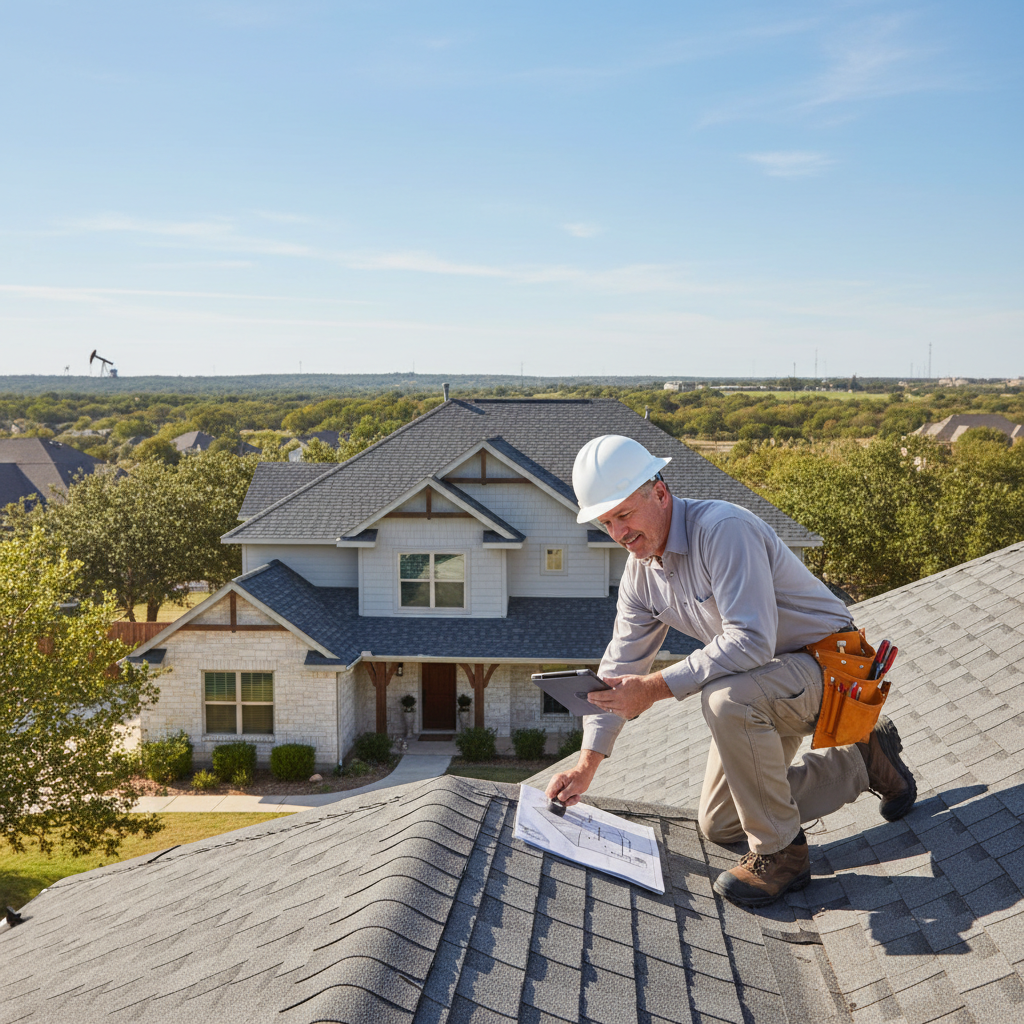
Choosing the right roof inspector in Tyler or Longview isn't as simple as picking the first name that pops up in a search. East Texas weather — heavy rain, hail, and high humidity — puts roofs through a lot. A thorough, honest inspection can catch problems early and save you thousands. A rushed or unqualified one can leave you with a false sense of security.
Here's what to look for before you hire anyone to get up on your roof.
1. Confirm They're Licensed and Insured in Texas
This is the first box to check, no exceptions. In Texas, roofing inspectors and contractors should carry:
- General liability insurance — protects your property if something goes wrong during the inspection
- Workers' compensation coverage — protects you if a worker is injured on your property
Don't feel awkward asking for proof. Any reputable inspector will send it over without hesitation. If someone hedges on this question, that's your answer.
2. Ask About Their Inspection Process — Before You Book
A professional roof inspector should be able to walk you through what they actually do during an inspection. A thorough process typically covers:
- Shingle condition, granule loss, and visible wear
- Flashing around chimneys, vents, and skylights
- Gutters, fascia, and soffit
- Attic ventilation and signs of moisture or sagging
- Hail or storm damage patterns
If an inspector can't explain their process clearly, their report probably won't be clear either. Before you schedule, it's also worth knowing what a professional roof inspection actually includes so you can ask informed questions.
3. Look for Experience With East Texas Conditions
East Texas has its own climate challenges — pine pollen, humidity, severe hailstorms, and freeze-thaw cycles in winter. A roof inspector with local experience in Tyler, Longview, or the surrounding area will know exactly what to look for.
For example, moss and algae growth are common here due to humidity and tree cover. An experienced local inspector won't miss the early signs. If you want a refresher on what to watch for yourself between inspections, our Texas storm-season roof maintenance checklist is a good place to start.
4. Make Sure You'll Get a Clear, Usable Report
This one matters more than most homeowners realize. A lot of inspection reports are dense, technical PDFs that are hard to read and easy to forget in a drawer. What you actually need is a report you can:
- Understand at a glance — without needing a construction background
- Share easily — with a lender, real estate agent, or insurance adjuster
- Reference over time — so you can see whether your roof's condition is improving or declining
That's exactly why Full Armor HomeIQ turns your professional inspection into a simple 0–100 RoofIQ Score with a clean, shareable report. Instead of decoding a 40-page document, you see your score, what it means, and what (if anything) needs attention. Learn more about what a roof health score actually means.
5. Check Reviews — But Look for the Right Details
Online reviews are useful, but not all feedback tells you the same story. When reading reviews for Tyler or Longview roof inspectors, look for mentions of:
- Communication — Did they explain what they found?
- Thoroughness — Did they inspect the whole roof, not just the surface?
- Timeliness — Did they show up on time and deliver the report promptly?
- Professionalism — Would the reviewer hire them again?
A pattern of vague five-star reviews with no specifics is worth noting. Look for detailed, first-person accounts.
6. Understand the Difference Between an Inspection and an Estimate
This is a common source of confusion. A roof inspection is a neutral, diagnostic evaluation of your roof's current condition. A roof estimate is a contractor's quote for work they want to sell you.
These are two different things, and sometimes the lines get blurred when the person doing the inspection is also the one hoping to do the repair. For a clearer breakdown, see our article on roof inspection vs. roof estimate.
When you use Full Armor HomeIQ, the inspection is structured to give you objective information first — so you can make decisions from a position of knowledge, not pressure.
7. Ask How Your Results Will Be Tracked Over Time
A single inspection is a snapshot. What's more valuable is a trend — knowing whether your roof scored a 74 last year and now scores a 68, so you can take action before a minor issue becomes a major expense.
When you get a RoofIQ Score through Full Armor HomeIQ, your results are stored securely and tracked over time. That kind of year-over-year history is genuinely useful when you're selling your home, refinancing, or filing a claim. It's also just good homeownership — you can learn more about why in our guide to building a year-over-year maintenance history.
Finding the Right Inspector in Tyler or Longview, TX
If you don't know where to start, Full Armor HomeIQ connects homeowners in Tyler, Longview, and across East Texas with vetted local inspection professionals — and handles the scheduling for you. You don't have to sort through a long list of unfamiliar names or wonder whether someone is qualified. We do that vetting so you don't have to.
Once the inspection is complete, your results are converted into a clean RoofIQ Score and report you can actually use — whether you're protecting your home, planning maintenance, or getting ready to sell.
Ready to know exactly where your roof stands? Get your RoofIQ Score today and connect with a trusted local roof inspector in Tyler, Longview, or anywhere in East Texas. It's the clearest picture your roof has ever gotten.
Frequently Asked Questions
Written by Full Armor HomeIQ Team
The Full Armor HomeIQ team helps homeowners understand and track their home's condition — starting with the roof.
Get Your RoofIQ Score
Contact Full Armor HomeIQ for a free inspection and consultation.
Get a Free Quote