What Is a Roof Health Score and Why Every Homeowner Needs One
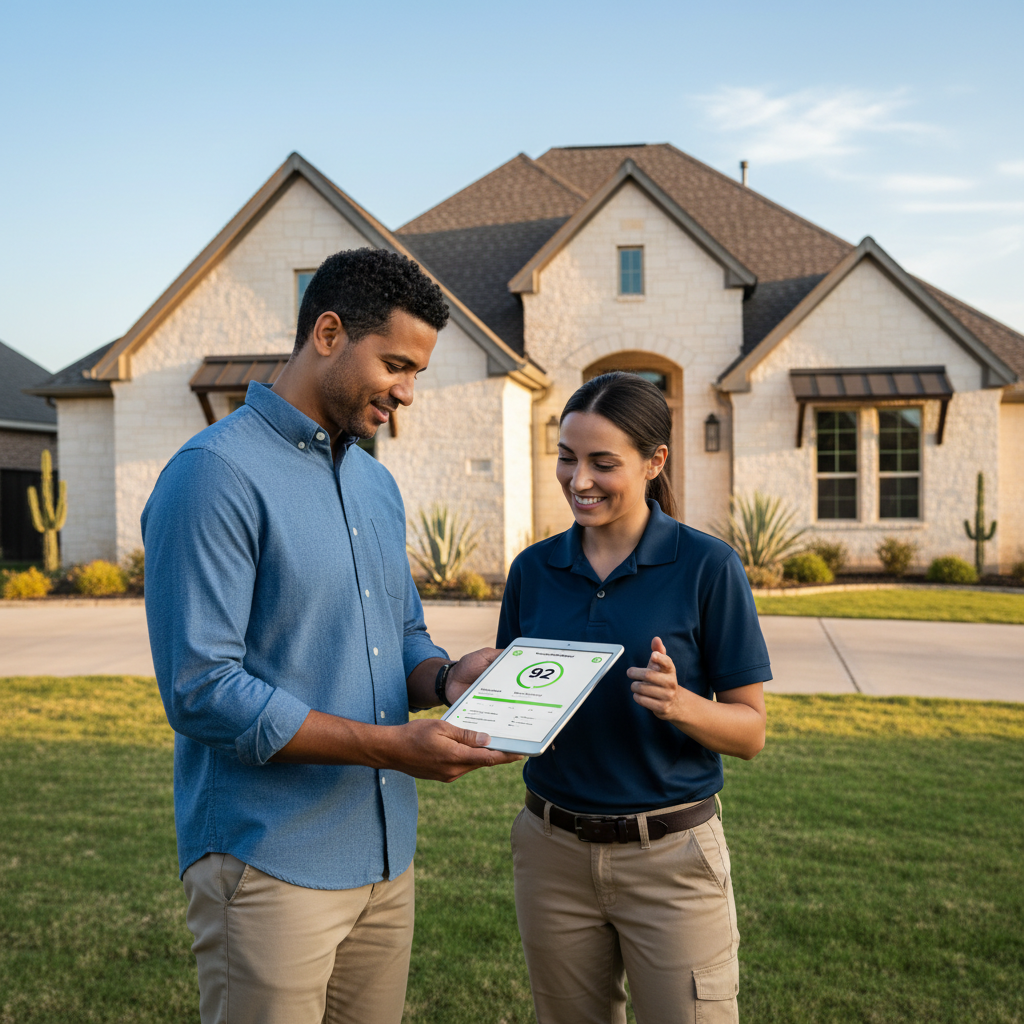
Most homeowners don't think about their roof until something goes wrong. A stain on the ceiling, a shingle in the yard after a storm, or a buyer's inspector flagging issues right before closing — these are the moments that make roof problems expensive and stressful.
A roof health score is designed to change that. Instead of waiting for a crisis, you get a clear, trackable number that tells you exactly how your roof is holding up — and gives you the information you need to act before small issues become big ones.
What Is a Roof Health Score?
A roof health score is a single number — typically on a scale of 0 to 100 — that summarizes the overall condition of your roof after a professional inspection. Think of it like a credit score for your home's most important protective system.
Rather than handing you a dense, 40-page PDF full of technical language, a roof health score distills everything a trained inspector finds into one easy-to-understand rating. A score in the 80s or 90s means your roof is in solid shape. A score in the 50s or below signals that attention is needed.
At Full Armor HomeIQ, our RoofIQ Score is built on exactly this idea. A vetted local inspector evaluates your roof, and the findings are translated into a clean, shareable score with supporting detail — no jargon, no confusion.
Want to understand exactly how the score is calculated? Read What Is a RoofIQ Score — and How Is It Calculated?
What Goes Into the Score?
A professional roof inspection covers more than a quick visual glance from the driveway. Inspectors typically evaluate:
- Shingle condition — wear, cracking, curling, or missing pieces
- Flashing and seals — around chimneys, vents, and skylights
- Gutters and drainage — proper slope, blockages, and attachment
- Decking and structure — signs of sagging, rot, or moisture damage
- Age and material type — relative to expected lifespan
Each of these areas contributes to the overall score. The result is a complete picture of your roof's health, not just a list of problems.
Why a Number Is More Useful Than a Report
Traditional inspection reports are thorough, but they're rarely user-friendly. Pages of technical findings, dozens of photos, and repair recommendations can feel overwhelming — and most homeowners don't revisit them once they're filed away.
A 0–100 score works differently:
- It's instantly understandable. You don't need roofing expertise to know that an 88 is good and a 47 needs attention.
- It's trackable over time. When you get a score every year or two, you can see your roof's condition trend upward or downward — which is far more valuable than a one-time snapshot.
- It's shareable. Whether you're selling your home, refinancing, or filing an insurance claim, a clean, professional score report communicates roof condition clearly to buyers, lenders, and adjusters.
Why Texas Homeowners Especially Need This
If you live in East Texas, the Tyler area, Longview, Nacogdoches, or anywhere else in the state, your roof faces challenges that homeowners in milder climates simply don't deal with.
Texas weather is tough on roofs. Hail, heavy rain, high winds, and intense summer heat all accelerate wear. A roof that looks fine from the street may have hail bruising, granule loss, or flashing damage that only a trained inspector will catch.
Our Texas Storm-Season Roof Maintenance Checklist covers the seasonal risks in more detail, but the short version is this: routine roof inspections — and a score you can track — are especially valuable here.
When a Roof Health Score Really Pays Off
Before You List Your Home for Sale
A strong RoofIQ Score gives buyers confidence and can support your asking price. It also removes one of the most common last-minute negotiation points in a real estate deal. Learn more about how this works in How a Strong RoofIQ Score Boosts Your Home's Resale Value.
After a Major Storm
Following a hail event or severe weather, a documented score report gives you a clear before-and-after record — which is useful when working with your insurance provider.
During Routine Maintenance
You don't have to wait for a problem to schedule an inspection. A baseline score followed by periodic re-inspections lets you catch deterioration early, when repairs are typically more manageable.
When You're Not Sure If There's a Problem
Sometimes homeowners notice small things — a loose shingle, a slight discoloration — and aren't sure whether to worry. A quick professional inspection with a scored report gives you a definitive answer. If you're seeing any of the early warning signs, check out our guide to 5 Warning Signs Your Roof Needs Attention.
How Full Armor HomeIQ Makes It Simple
Full Armor HomeIQ connects Texas homeowners with vetted, local inspection professionals and handles the scheduling for you. After the inspection, your RoofIQ Score and report are stored securely in your account — easy to access, easy to share, and easy to track over time.
No chasing down contractors. No confusing paperwork. Just a clear score, a trusted professional, and a record that grows more valuable every year you maintain it.
Your roof is one of your home's most important — and most expensive — systems. You deserve to know exactly what condition it's in, not just when something goes wrong. A roof health score gives you that clarity, year after year.
Ready to know where your roof stands? Get your RoofIQ Score today and take the first step toward protecting your home with confidence.
Frequently Asked Questions
Written by Full Armor HomeIQ Team
The Full Armor HomeIQ team helps homeowners understand and track their home's condition — starting with the roof.
Get Your RoofIQ Score
Contact Full Armor HomeIQ for a free inspection and consultation.
Get a Free Quote