
How Texas Hail and Storms Damage Your Roof Over Time
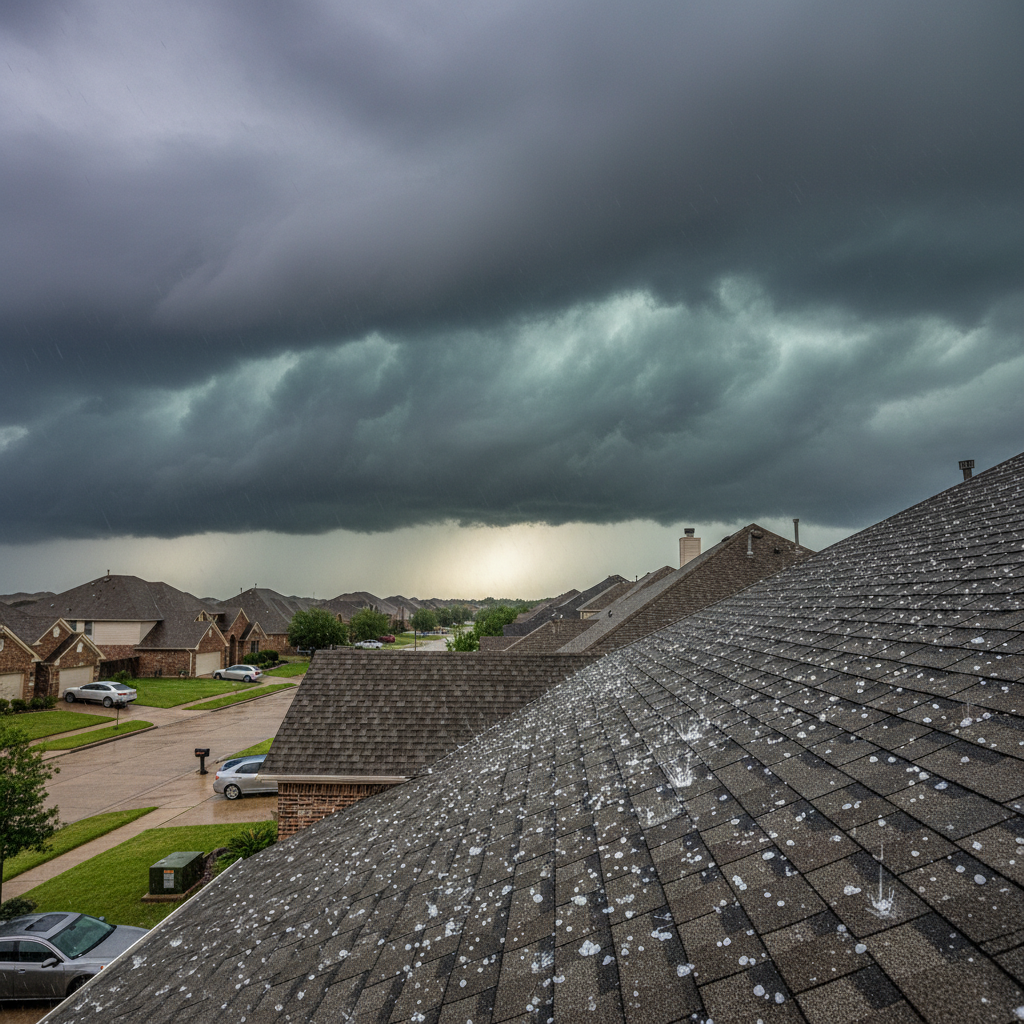
Texas weather is beautiful until it isn't. If you've lived here long enough, you know the drill: clear skies in the morning, golf-ball-sized hail by afternoon. And while a single storm can cause obvious damage, the bigger threat most homeowners miss is the cumulative toll that storm after storm takes on a roof over months and years.
This guide breaks down exactly how that happens — and what you can do to stay ahead of it.
Why Texas Is Especially Hard on Roofs
Texas sits in one of the most active severe-weather corridors in the country. From the Panhandle down through East Texas cities like Longview, Tyler, and Nacogdoches, roofs face a relentless mix of:
- Large hail — Texas consistently ranks among the top states for hail events
- High-wind thunderstorms — capable of lifting shingles and bending flashing
- Torrential rain — which exploits every small crack or gap
- Intense summer heat — which accelerates aging between storms (more on that in our sibling post on humidity and heat)
The result is a roof that may look fine from the street but is quietly losing years of useful life with every weather event.
How Hail Damages a Roof — Storm by Storm
Hail damage is rarely a one-hit knockout. More often, it's a slow accumulation of small injuries that compound over time.
First Strike: Granule Loss
Asphalt shingles are coated with tiny granules that protect the underlying mat from UV rays and moisture. A hailstone doesn't have to crack a shingle to cause harm — it just has to knock granules loose. After a significant storm, you might notice dark patches of granules collecting in your gutters. That's your roof's protective layer, washing away.
Second Strike: Bruising and Mat Damage
Larger or faster hailstones can bruise the asphalt mat beneath the granules, creating soft spots. These bruised areas become brittle faster than the rest of the shingle and are far more likely to crack under the next round of heat, cold, or impact.
Third Strike: Cracking and Water Entry
Once a shingle is bruised and stripped of granules, it's vulnerable to cracking. A cracked shingle is an open door for water. And in East Texas, where rain can be both frequent and heavy, water intrusion can quickly become a structural problem — rotting the decking beneath the shingles and eventually reaching ceilings and walls.
If you're not sure what to look for on your own, our article on 5 warning signs your roof needs attention is a great place to start.
Wind and Rain: The Underestimated Partners
Hail gets the headlines, but wind and rain do plenty of quiet damage on their own.
Wind can:
- Lift shingle edges and break the adhesive seal between courses
- Tear off ridge caps, which protect the roof's most vulnerable seam
- Bend or separate metal flashing around chimneys and vents
Rain can:
- Seep under lifted or misaligned shingles
- Pool on low-slope areas, accelerating wear
- Work into nail holes and fastener points loosened by repeated wind stress
Over time, each of these issues makes your roof more vulnerable to the next storm — which is why a roof that survived five years of Texas weather without inspection may be in much worse shape than its age suggests.
The Hidden Danger: Cumulative Damage You Can't See
Here's the part that catches most homeowners off guard: a significant portion of storm damage isn't visible from the ground, and some of it isn't even visible without knowing what to look for up close.
Bruised mats, lifted flashing, hairline cracks in sealant, and compromised underlayment are all things a trained inspector can identify — but a homeowner walking the yard after a storm almost certainly cannot.
This is exactly why year-over-year roof condition tracking matters. When you have a professional inspection after each major storm season and a clear record of your roof's condition over time, you can see the trend — not just a snapshot. A score that dropped from 82 to 71 over two years tells a very different story than one that's held steady at 78.
That's the thinking behind RoofIQ — a simple 0–100 score, generated by a vetted local inspector, that tracks your roof's health over time instead of leaving you with a confusing 40-page PDF you'll never read again.
What You Can Do Right Now
You don't have to wait for a visible leak to take action. A few practical steps:
- Schedule a professional inspection after any major storm — especially hail events or storms with sustained high winds
- Keep a record of inspection dates and findings — a trend over time is far more useful than a single report
- Address small repairs promptly — minor issues left alone become expensive problems
- Know your roof's age and material — older asphalt shingles have less tolerance for repeated impact
For a full seasonal checklist, see our Texas storm-season roof maintenance checklist.
Protect Your Home's Value, Not Just Its Structure
A well-documented roof history doesn't just protect you from surprise repairs — it also protects your home's value. When it comes time to sell or refinance, a clean, shareable RoofIQ report shows buyers and lenders exactly what they're getting. That kind of transparency builds confidence and can smooth the entire process.
Learn more about how a strong roof condition record pays off when it counts: How a Strong RoofIQ Score Boosts Your Home's Resale Value.
Texas storms aren't going anywhere — but the damage they cause doesn't have to catch you off guard. Get your RoofIQ Score today and start tracking your roof's condition with a professional inspection from a vetted local company in East Texas or anywhere we serve across the state.
Frequently Asked Questions
Written by Full Armor HomeIQ Team
The Full Armor HomeIQ team helps homeowners understand and track their home's condition — starting with the roof.
Get Your RoofIQ Score
Contact Full Armor HomeIQ for a free inspection and consultation.
Get a Free Quote