
How Texas Hail and Storms Damage Your Roof Over Time
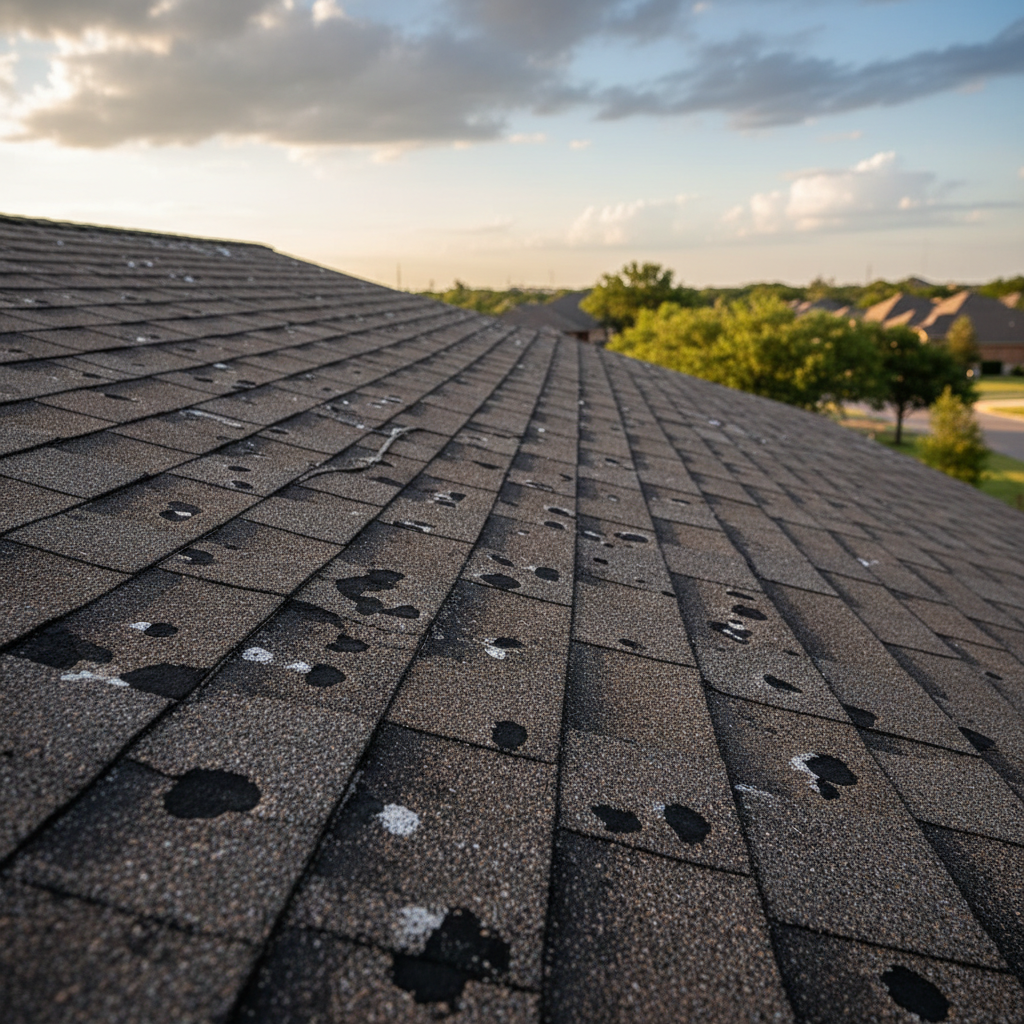
Texas weather is relentless. From spring hailstorms rolling across the Piney Woods to powerful thunderstorms that sweep through East Texas summer after summer, your roof takes a beating that most homeowners never fully see — until it's too late.
The problem isn't always one catastrophic storm. It's the slow, compounding damage that builds up over years of exposure. Understanding how that process works is the first step to staying ahead of it.
Why Texas Is Especially Hard on Roofs
Texas sits in one of the most storm-active regions in the country. The state sees some of the highest annual hail activity in the nation, and East Texas adds a layer of challenge with its high humidity and intense summer heat — a combination that weakens roofing materials faster than in milder climates.
That means a roof in Tyler, Longview, or Nacogdoches isn't just dealing with storm damage in isolation. It's dealing with storm damage on top of heat stress, moisture exposure, and UV degradation — all at once, season after season.
How Hail Damages Your Roof — Gradually
A single hailstorm might not destroy your roof outright. But here's what it does do:
- Knocks granules off shingles. Those tiny granules are your shingles' first line of defense against UV rays and water. Once they're dislodged, the asphalt underneath becomes exposed and starts to deteriorate.
- Creates micro-fractures. Even hail that doesn't punch through a shingle can crack it underneath the surface. These hidden fractures expand over time, especially during temperature swings.
- Damages flashing and seals. The metal flashing around chimneys, vents, and skylights can be bent or loosened by hail impact, creating entry points for water.
- Weakens the mat underneath. Repeated impacts break down the fiberglass or organic mat that gives shingles their structure, making future damage much more likely.
The tricky part: most of this damage isn't visible from your driveway. It takes a trained eye — and often, a professional inspection — to find it.
The Compounding Effect: Storm After Storm
Here's where the real risk lies for Texas homeowners. After your roof takes hail damage, it's more vulnerable to the next storm. Granule loss accelerates water absorption. Micro-fractures grow. Weakened flashing lets moisture in.
Over three to five years of repeated storm seasons, what started as minor hail damage can quietly evolve into:
- Curling or cupping shingles
- Soft spots in the decking beneath
- Leaks appearing at walls, ceilings, or attic spaces
- Mold or wood rot in areas where water has been slowly seeping in
By the time you notice water stains on your ceiling, the damage has often been building for months — sometimes years. That's why knowing the early warning signs matters so much.
Wind Damage: The Hidden Partner
Hail gets most of the attention, but wind is equally damaging over time — especially the fast-moving storms that move through East Texas.
Strong wind lifts the edges and corners of shingles, breaking the adhesive seal that holds them flat. Once a shingle lifts repeatedly, it never re-seals the same way. That creates an opening for water, insects, and debris to work their way underneath.
Wind can also drive rain horizontally into areas that a roof isn't designed to drain from — especially along rakes, ridges, and around penetrations like vents and pipes.
Why the Damage Often Goes Unnoticed
Most homeowners inspect their roof the way most people inspect their car's brake pads — not until something goes wrong. That's understandable. Roofs are hard to see, harder to evaluate, and most people aren't sure what they're looking at even when they do look.
The result is a gap between when damage occurs and when it's discovered. And in that gap, small problems become expensive ones.
A roof that scored well five years ago may look fine from the street today — but have years of compounding storm damage quietly working against it. That's exactly why tracking your roof's condition over time, not just after one inspection, gives you a clearer and more accurate picture.
Your Texas Storm-Season Roof Maintenance Checklist is a good starting point for what to look for between professional inspections.
What a Professional Roof Inspection Actually Catches
A qualified inspector looks beyond what's visible from the ground. A proper roof inspection in Texas should cover:
- Shingle condition and granule loss patterns
- Flashing integrity around all penetrations
- Gutter condition and drainage function
- Attic ventilation and signs of moisture intrusion
- Decking condition where accessible
- Ridge cap and valley wear
The challenge has always been that after the inspection, you get a thick report full of technical language — and it ends up in a folder somewhere, never looked at again.
Tracking Roof Health Over Time: Why It Matters
A single inspection gives you a snapshot. What you really need is a trend.
When you can compare your roof's condition after this storm season to where it stood two years ago, you can actually see the rate of decline — and make smarter decisions about when to act. You also have documented proof of your roof's history, which matters when you're selling your home or navigating an insurance claim.
That's the idea behind the RoofIQ Score — turning a professional roof inspection into a single 0–100 score that tracks over time, so you always know where your roof stands and whether it's improving, holding steady, or declining.
For Texas homeowners in Dallas, Tyler, Longview, Nacogdoches, or anywhere across East Texas, having that kind of clear, running record isn't just convenient. After a few storm seasons, it can be genuinely valuable.
Ready to know where your roof actually stands? Get your RoofIQ Score today — a professional inspection turned into a simple score you can track, share, and act on with confidence.
Frequently Asked Questions
Written by Full Armor HomeIQ Team
The Full Armor HomeIQ team helps homeowners understand and track their home's condition — starting with the roof.
Get Your RoofIQ Score
Contact Full Armor HomeIQ for a free inspection and consultation.
Get a Free Quote