East Texas Roof Inspection Guide: What Our Weather Does to Your Shingles
If you've lived in East Texas for more than one summer, you already know the weather here doesn't hold back. The combination of punishing heat, thick humidity, sudden severe storms, and the occasional hard freeze creates a cycle that works against your roof all year long — often in ways you can't see from the ground.
This guide breaks down exactly what East Texas weather does to your shingles, when to get a professional inspection, and how staying ahead of the damage can save you a significant amount of money.
The East Texas Climate: A Perfect Storm for Roof Wear
East Texas sits in a unique climate zone that blends the heat of Central Texas with the humidity of the Gulf Coast. That combination is harder on roofing materials than either factor alone.
Here's what your roof is up against across the four seasons:
Summer: Heat and UV Damage
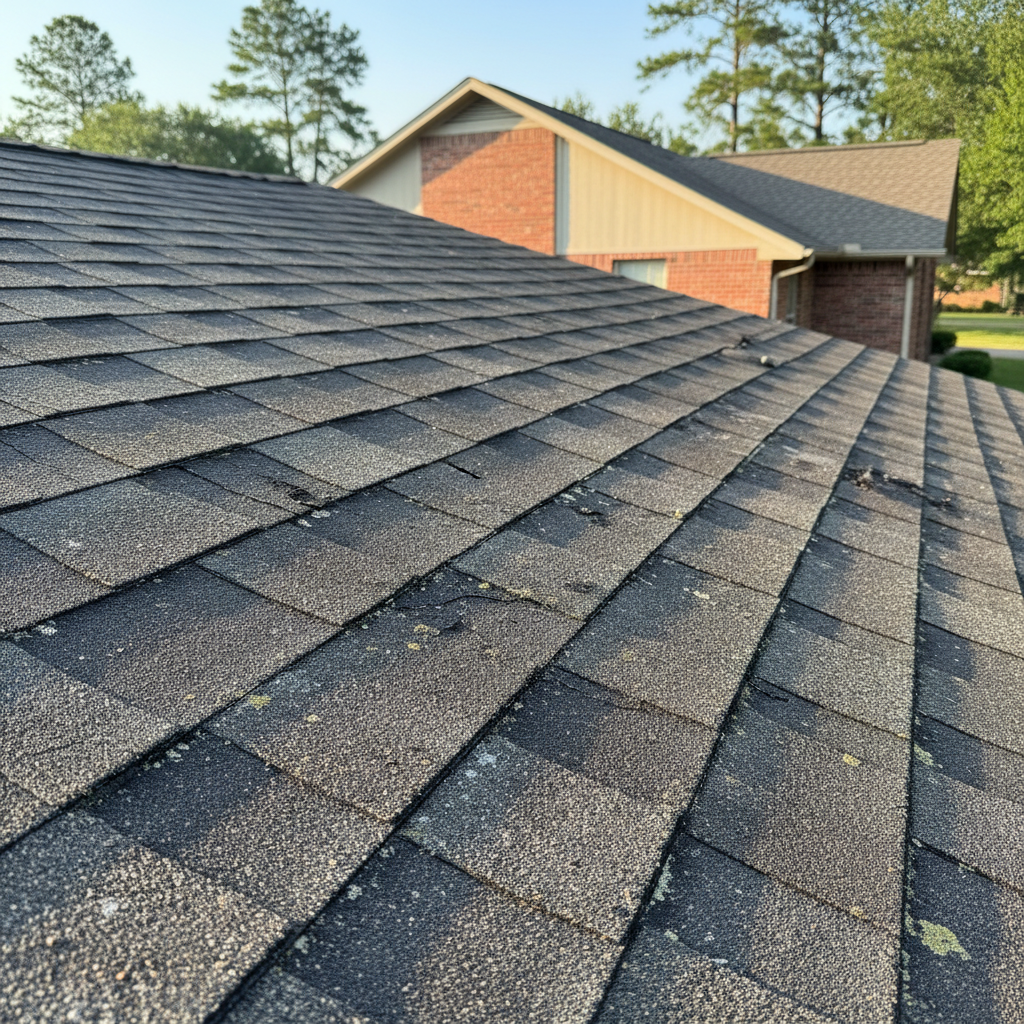
During East Texas summers, roof surface temperatures can climb well above the air temperature — sometimes significantly higher on darker shingles. That sustained, intense heat causes asphalt shingles to expand, dry out, and lose the granules that protect the underlying material. UV exposure accelerates this process, breaking down the asphalt binder over time.
The result? Shingles that look fine from the street may be brittle and losing their protective coating underneath.
Spring and Fall: Storm Season
East Texas sits in a corridor that sees frequent severe thunderstorms, high winds, and hail — particularly in spring. A single hailstorm can cause impact damage that isn't visible to the untrained eye but compromises your shingles' ability to shed water. High winds lift and curl shingle edges, and falling tree limbs (a common issue in our heavily wooded region) can cause direct structural damage.
If you haven't already, it's worth reviewing Your Texas Storm-Season Roof Maintenance Checklist so you know what to look for after a major weather event.
Winter: Freeze-Thaw Stress
East Texas winters are mild — until they're not. When temperatures do drop below freezing, any moisture that has worked its way under damaged or lifted shingles can freeze and expand, widening small cracks and gaps. Even a single hard freeze can accelerate damage that was already building from summer heat and storm season.
Year-Round: Humidity and Algae Growth
Humidity doesn't take a season off in East Texas. Persistent moisture creates ideal conditions for algae and moss growth on shingles. Beyond the cosmetic issue, organic growth holds moisture against the roof surface, speeding up material degradation. Black streaks running down your roof are often algae — and they're a sign worth taking seriously.
For a deeper look at how our regional humidity shortens roof lifespan, the sibling article How Humidity and Heat in East Texas Shorten Your Roof's Lifespan covers this topic in detail.
What a Professional Roof Inspection Actually Covers
A quick walk around your yard doesn't tell you much about your roof's true condition. A professional inspection goes much further. Inspectors evaluate:
- Shingle condition — granule loss, cracking, curling, and blistering
- Flashing integrity — around chimneys, vents, skylights, and valleys
- Gutters and drainage — blockages and improper slope that trap water
- Decking and underlayment — signs of moisture intrusion or soft spots
- Fascia and soffits — rot, pest damage, or improper ventilation
- Moss, algae, and debris accumulation
Want to know exactly what inspectors look at? What Does a Professional Roof Inspection Actually Include? walks through the full process.
How Often Should East Texas Homeowners Inspect Their Roof?
For most East Texas homes, a professional inspection once a year is a reasonable baseline — with an additional inspection after any significant hail event, windstorm, or hurricane-related weather system.
If your roof is more than 10 years old, or if you've noticed any of the 5 warning signs your roof needs attention, don't wait for the annual cycle. Getting ahead of a small issue is almost always less expensive than responding to a larger one.
For a full breakdown of inspection frequency, see How Often Should You Get a Roof Inspection? A Texas Homeowner's Guide.
Why a Clear Score Matters More Than a Thick Report
Most homeowners receive a roof inspection report and then aren't sure what to do with it. A 30- or 40-page PDF full of technical language isn't useful if you can't easily understand what it means for your home.
That's the core idea behind Full Armor HomeIQ's RoofIQ Score — a professional inspection translated into a single 0–100 score that's easy to understand, track over time, and share when you need to.
Instead of a file you forget about, you get a running record of your roof's health — so you can see whether conditions are holding steady, gradually declining, or flagging something that needs attention. That kind of year-over-year tracking is how homeowners stay ahead of expensive surprises.
And when it's time to sell or refinance, a shareable RoofIQ report gives buyers and lenders a clear, trustworthy picture of your roof's condition. Here's how that can help speed up closing in Texas.
Finding a Trustworthy Inspector in East Texas
Not every contractor who offers a "free roof inspection" is delivering the same level of thoroughness or objectivity. In the Longview, Tyler, Nacogdoches, and surrounding East Texas areas, it pays to work with vetted professionals who use a standardized process.
How to Find a Trustworthy Roofing Inspector in East Texas covers what to look for before you book anyone.
Full Armor HomeIQ connects homeowners with pre-vetted local inspection companies and handles the scheduling — so you spend less time vetting and more time getting answers.
Don't Wait for a Leak to Find Out
East Texas weather is going to keep doing what it does. The question is whether your roof is ready for it — and whether you'll know its condition before a problem becomes an emergency.
A professional roof inspection, paired with a clear health score you can track over time, is one of the most straightforward ways to protect one of your home's most important systems.
Ready to know where your roof stands? Get your RoofIQ Score today — a professional East Texas roof inspection translated into a simple score you can actually use.
Frequently Asked Questions
Written by Full Armor HomeIQ Team
The Full Armor HomeIQ team helps homeowners understand and track their home's condition — starting with the roof.
Get Your RoofIQ Score
Contact Full Armor HomeIQ for a free inspection and consultation.
Get a Free Quote