
East Texas Roof Inspection Guide: What Our Weather Does to Your Shingles
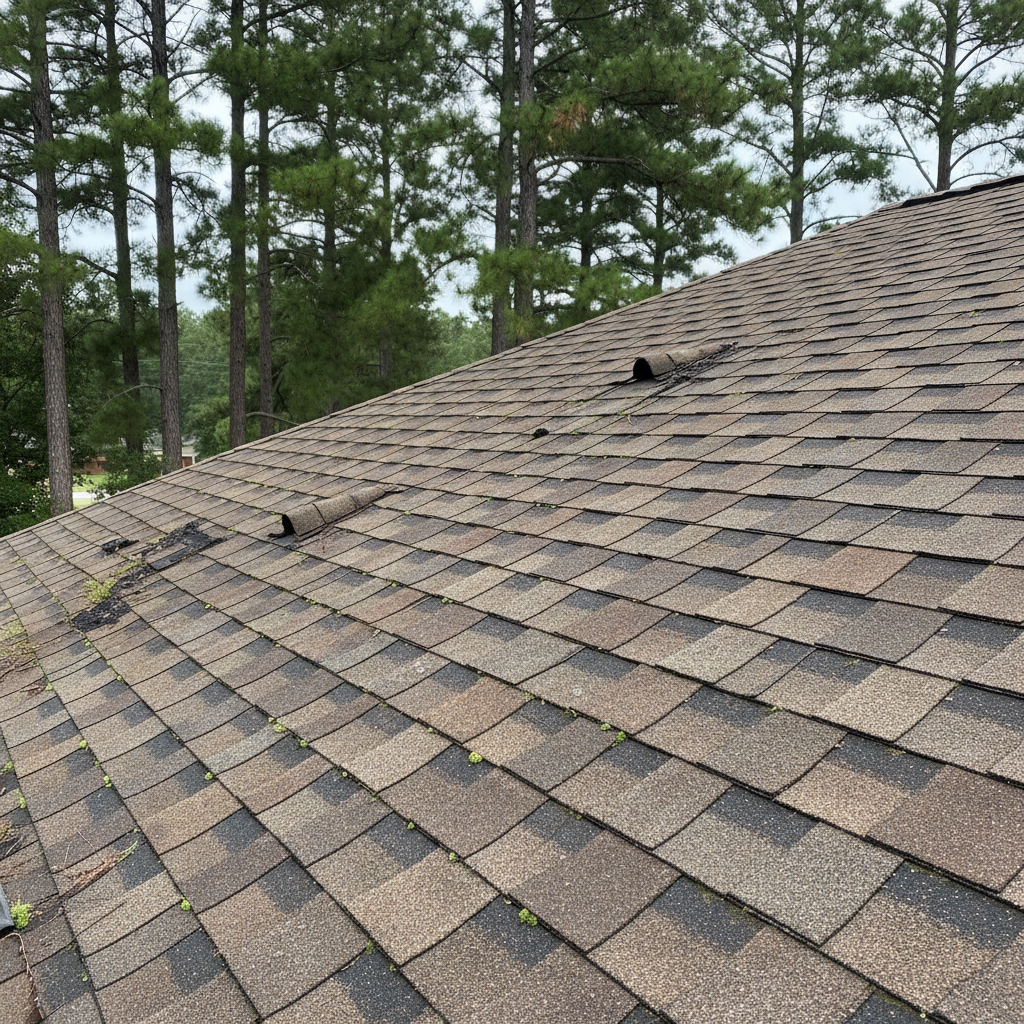
East Texas is a beautiful place to live. It's also one of the hardest places in the country to be a roof.
Between the summer heat, sticky humidity, sudden severe storms, and the occasional hard freeze, your shingles face a punishing mix of conditions that most homeowners don't think about — until something leaks.
This guide walks through exactly what our local climate does to roofing materials, what to watch for, and why a professional East Texas roof inspection is one of the smartest moves you can make as a homeowner.
The East Texas Climate Problem
The Piney Woods region — from Longview and Tyler down through Nacogdoches and beyond — sits in a climate zone that stacks multiple roof stressors on top of each other. You don't just get heat. You get heat and humidity and storm season.
That combination accelerates wear faster than any single factor alone.
What Heat Does to Your Shingles
Asphalt shingles — the most common roofing material in East Texas — are designed to handle heat, but there's a limit.
During a typical East Texas summer, roof surface temperatures can climb well above the air temperature, sometimes reaching extreme levels for hours at a stretch, day after day. Over time, that repeated heating and cooling causes shingles to:
- Expand and contract, which loosens the seal strips that hold shingles in place
- Dry out and become brittle, making them more likely to crack or break
- Lose granules — the small mineral coating that protects the asphalt layer underneath
Granule loss is one of the earliest signs that heat has started doing real damage. Once those granules wash away, the asphalt underneath is exposed to UV rays and moisture — and the clock speeds up on the rest of the roof's lifespan.
Want to know what early warning signs look like from the ground? Check out 5 Warning Signs Your Roof Needs Attention.
What Humidity Does Underneath the Surface
East Texas averages some of the highest humidity levels in the state. That moisture doesn't just sit in the air — it finds its way under roofing materials.
When humidity is consistently high, you're more likely to see:
- Algae and moss growth on shingles, which trap additional moisture and accelerate deterioration
- Wood decking problems if moisture gets past the shingles into the underlying structure
- Weakened adhesive strips that let shingles lift more easily in wind
- Mold risk in attic spaces, which can go unnoticed for years
These aren't problems you'll spot from a quick glance at the street. They develop slowly and quietly — exactly why routine professional inspections matter so much here.
Learn more about how our regional conditions shorten roof lifespans in the companion article How Humidity and Heat in East Texas Shorten Your Roof's Lifespan.
Storm Damage: Fast and Easy to Miss
East Texas sits in a region that sees significant severe weather activity, including hail, high winds, and heavy rain throughout spring and fall. Storm damage doesn't always look obvious.
A hail strike that looks minor from the ground can bruise the asphalt mat beneath the granule surface. Wind can lift shingle edges just enough to break the seal without tearing them off entirely. Heavy rain finds tiny vulnerabilities around flashing, vents, and valleys.
The tricky part: this kind of damage often doesn't cause a visible leak right away. It weakens the roof so that the next storm — or even normal rainfall months later — causes the problem.
That's why a post-storm inspection is so important. See Why Texas Homeowners Should Inspect Their Roof After Every Major Storm for the full breakdown.
For a checklist you can use right now, visit Your Texas Storm-Season Roof Maintenance Checklist.
What a Professional East Texas Roof Inspection Actually Covers
A qualified local inspector doesn't just look at shingles. A thorough roof inspection in this region should include:
- Shingle condition — granule loss, cracking, curling, or missing pieces
- Flashing at all penetrations — chimneys, vents, skylights, valleys
- Gutters and drainage — blockages that cause water to back up under the roof edge
- Decking integrity — soft spots or visible sagging that suggest moisture damage below
- Attic ventilation — poor airflow accelerates heat and moisture damage from the inside out
- Algae, moss, or lichen growth — common in East Texas's humid environment
The challenge most homeowners run into is knowing who to trust for this kind of inspection. A great resource: How to Find a Trustworthy Roofing Inspector in East Texas.
Why a Simple Score Beats a Confusing Report
After a professional inspection, most homeowners receive a long document full of technical language and photos they're not sure how to interpret. It gets filed away — and forgotten.
Full Armor HomeIQ takes a different approach. Our RoofIQ score turns a professional roof inspection into a clear 0–100 score that tells you exactly where your roof stands. It's tracked over time so you can see whether your roof's condition is holding steady or trending downward — before a small problem becomes a large one.
That score is also shareable. If you're selling your home, refinancing, or dealing with a claim, a clean, professional roof condition report carries real weight. Learn how that plays out in Selling Your Home in Texas? Here's How a Shareable Roof Condition Report Can Speed Up Closing.
Curious how the score is built? Read What Is a RoofIQ Score — and How Is It Calculated?
How Often Should East Texas Homeowners Inspect?
Given everything the East Texas climate throws at a roof, most roofing professionals recommend at least one professional inspection per year — and after any significant storm event.
Tracking that history over time gives you something no single inspection can: a trend line. You can see whether your roof is holding up year over year, or whether it's declining faster than expected. That kind of data protects your budget and your home's value.
For the full guidance on inspection frequency, visit How Often Should You Get a Roof Inspection? A Texas Homeowner's Guide.
Ready to Know Where Your Roof Actually Stands?
If you're a homeowner in Longview, Tyler, Nacogdoches, or anywhere in East Texas, don't wait for a leak to find out what your roof's condition really is. Full Armor HomeIQ connects you with vetted local inspection companies, handles the scheduling, and delivers your results as a clear, trackable RoofIQ score — not a confusing PDF.
Get your RoofIQ Score today and stop guessing about one of your home's most important assets.
Frequently Asked Questions
Written by Full Armor HomeIQ Team
The Full Armor HomeIQ team helps homeowners understand and track their home's condition — starting with the roof.
Get Your RoofIQ Score
Contact Full Armor HomeIQ for a free inspection and consultation.
Get a Free Quote